Co-Living Properties
Find 3+ bedroom properties suitable for co-living concepts across the UK. Convert larger homes into community-focused shared spaces with premium all-inclusive rents per room.

£1,350 pcm
3 Bedroom Flat
Barnton Street, Stirling
3 bed · 1 bath · flat
£1,800 pcm
4 Bedroom Flat
Barnton Street, Stirling
4 bed · 1 bath · flat
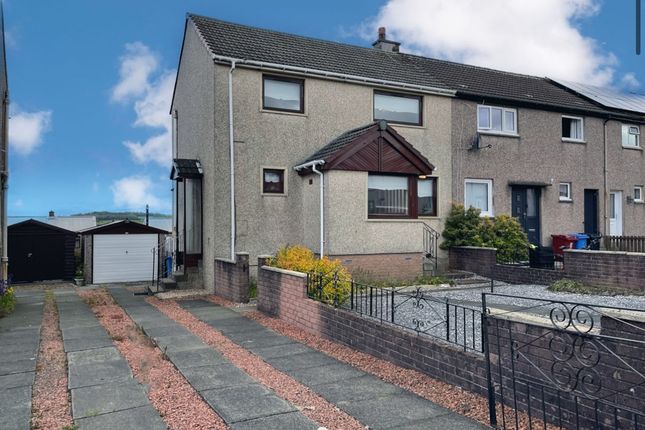
£925 pcm
3 Bedroom Terraced
Godfrey Avenue, Denny
3 bed · 1 bath · terraced
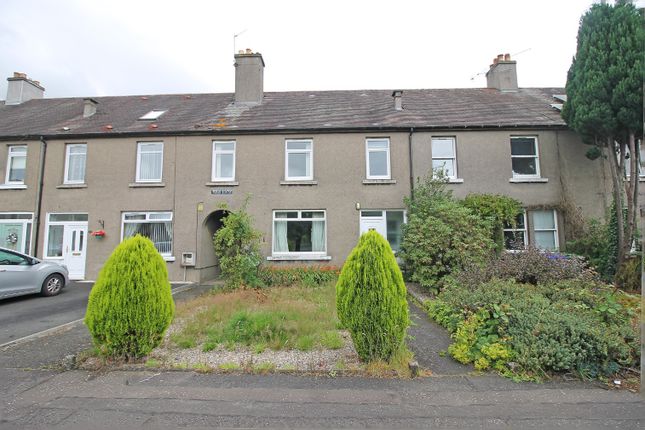
£2,125 pcm
5 Bedroom Terraced
Haugh Road, Stirling
5 bed · 3 bath · terraced
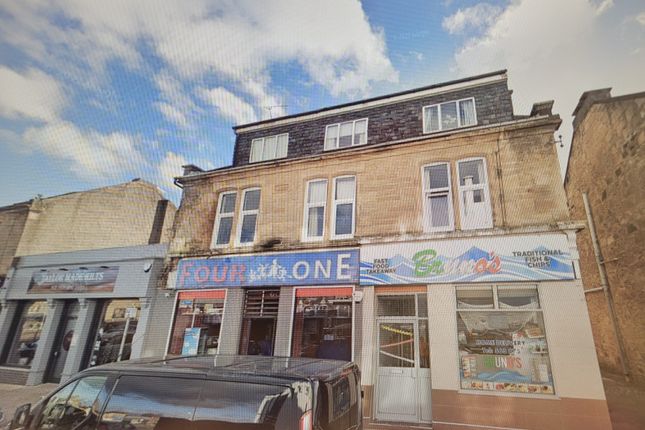
£875 pcm
3 Bedroom Flat
Stenhousemuir
3 bed · 2 bath · flat
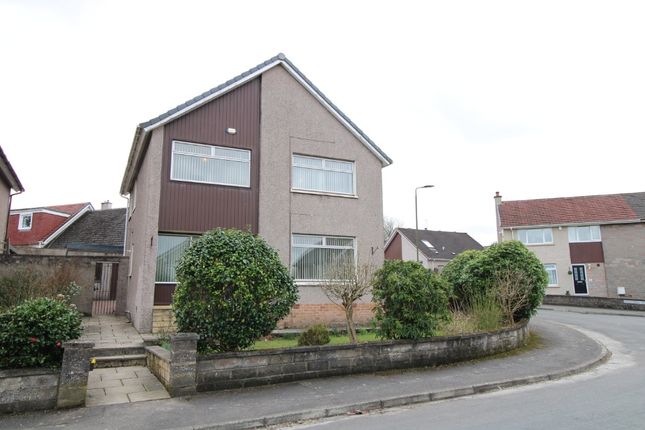
£1,695 pcm
4 Bedroom Detached
Falkirk
4 bed · 3 bath · detached
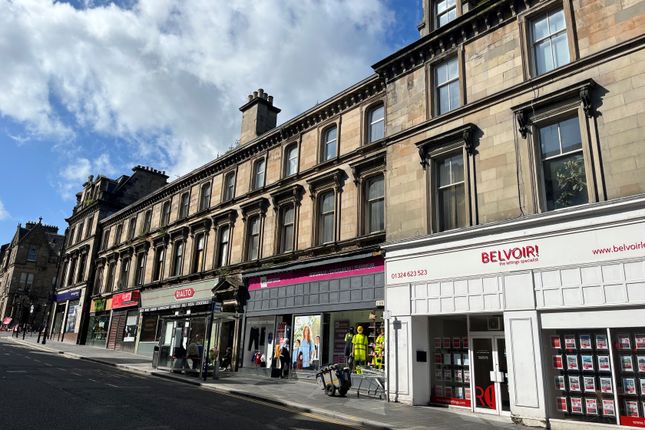
£925 pcm
3 Bedroom Flat
Falkirk
3 bed · 1 bath · flat
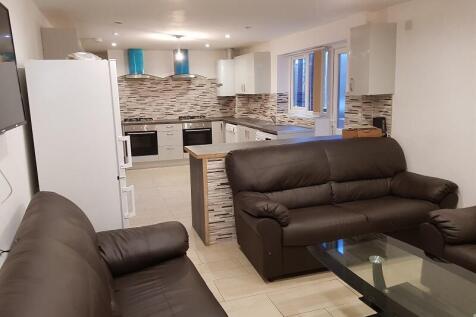
£500 pcm
8 Bedroom Terraced in B29 7BN
Luton Road, Birmingham
8 bed · 4 bath · terraced
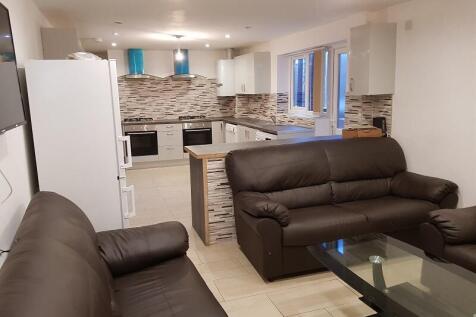
£500 pcm
9 Bedroom Terraced in B29 7AU
Dawlish Road, Birmingham
9 bed · 9 bath · terraced
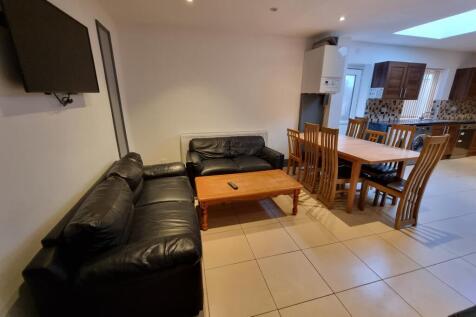
£500 pcm
8 Bedroom Semi-Detached in B29 6HX
Oak Tree Lane, Selly Oak, Birmingham
8 bed · 8 bath · semi-detached
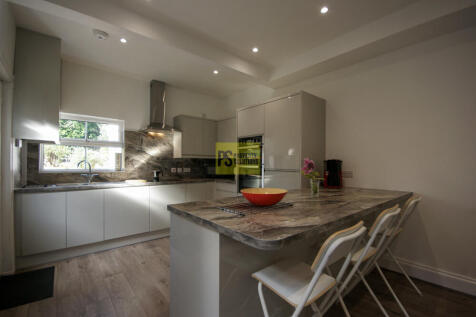
£412 pcm
5 Bedroom Terraced in B29 6HY
98, Oak Tree Lane, Selly Oak, Birmingham, B29 6HY
5 bed · 2 bath · terraced
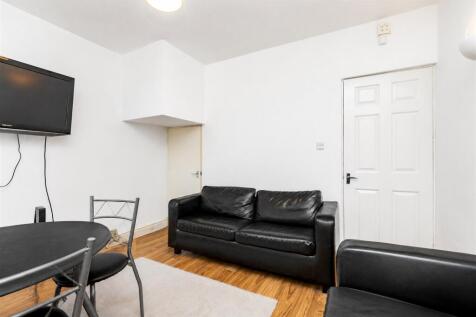
£520 pcm
4 Bedroom House in B29 7AF
Dawlish Road, Birmingham, B29
4 bed · 1 bath · house
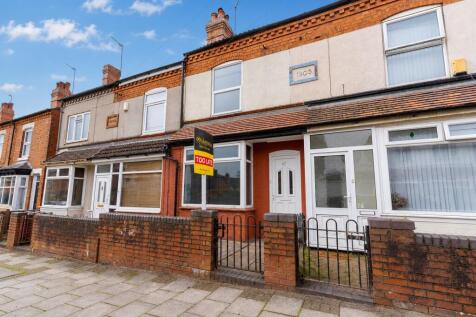
£529 pcm
4 Bedroom Terraced in B29 7RL
Milner Road, Birmingham, B29
4 bed · 2 bath · terraced
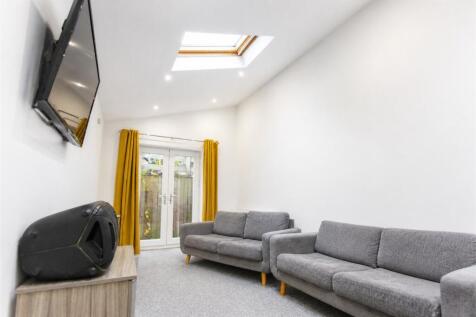
£550 pcm
6 Bedroom House in B29 7DL
Selly Hill Road, Birmingham, B29
6 bed · 3 bath · house

£563 pcm
5 Bedroom House in B29 6JX
Winnie Road, Selly Oak, Birmingham, B29 6JX
5 bed · 5 bath · house
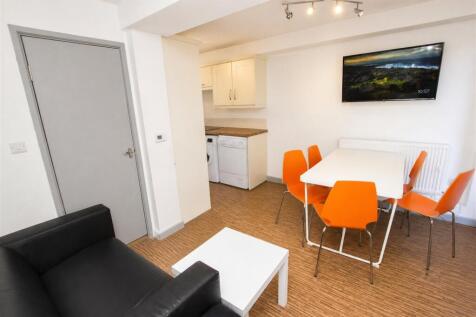
£572 pcm
6 Bedroom House in B29 6EZ
Heeley Road, Birmingham, B29
6 bed · 6 bath · house
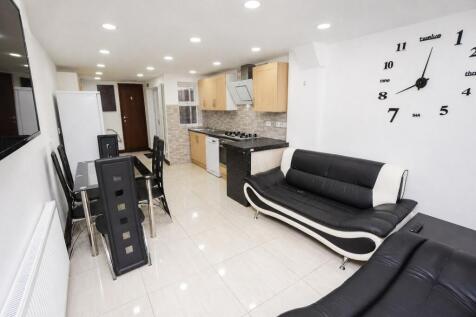
£572 pcm
6 Bedroom Terraced in B29 6DA
Tiverton Road, Birmingham, B29
6 bed · 6 bath · terraced
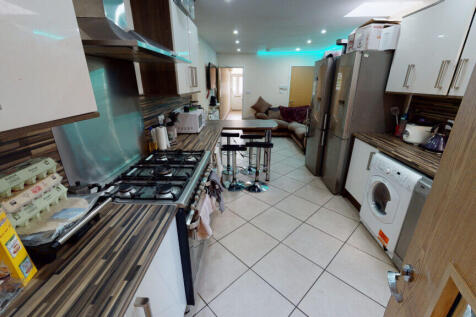
£585 pcm
6 Bedroom House in B29 6DB
Tiverton Road, Selly Oak, B29 6DB
6 bed · 6 bath · house
£587 pcm
8 Bedroom Terraced in B29 7DG
Rookery Road, Selly Oak, Birmingham
8 bed · 8 bath · terraced
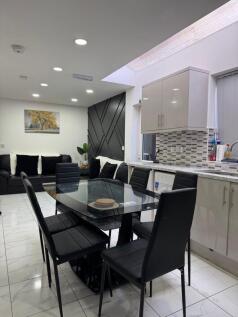
£587 pcm
7 Bedroom Terraced in B29 6DA
Tiverton Road, Birmingham
7 bed · 7 bath · terraced
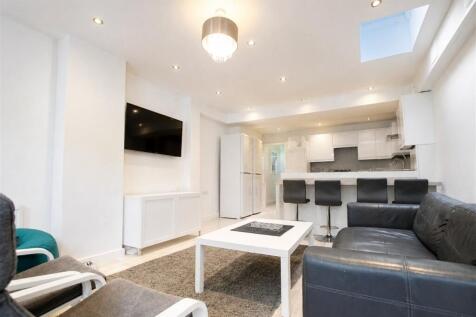
£594 pcm
6 Bedroom House in B29 6EJ
Heeley Road, Birmingham, B29
6 bed · 6 bath · house
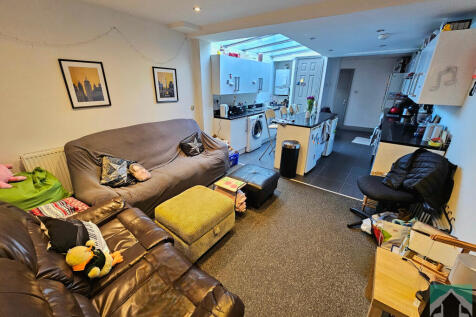
£594 pcm
6 Bedroom Terraced in B29 6DR
Dartmouth Road, Birmingham
6 bed · 6 bath · terraced
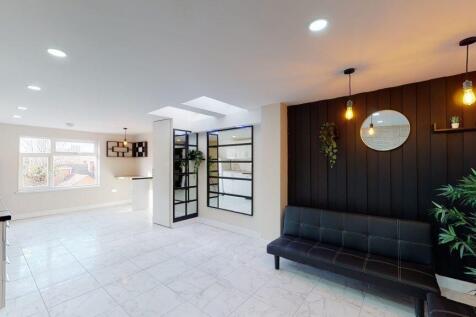
£520 pcm
6 Bedroom House in B29 7DG
Rookery Road, Selly Oak, B29 7DQ
6 bed · 3 bath · house
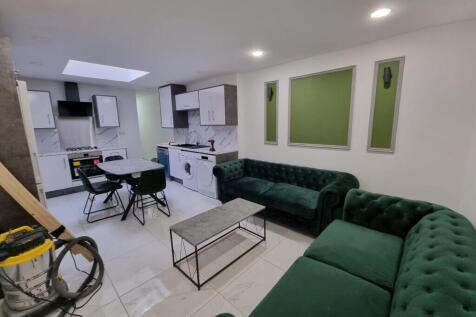
£608 pcm
6 Bedroom Terraced in B29 6JQ
Boldmere Terrace, Birmingham
6 bed · 6 bath · terraced
Co-Living: Premium Professional House Shares in UK City Centres
Co-living represents the professionalised, design-led evolution of the traditional house share. Where a standard HMO offers furnished rooms with shared kitchen and bathroom, a co-living property offers designed private rooms with high-speed WiFi, premium communal spaces (including co-working areas, cinema rooms, and curated social events), all-inclusive pricing, and a curated community of like-minded young professionals. Residents pay a premium of 15-30% above equivalent HMO room rates for this experience, and operators capture margins that would be impossible in standard house share lettings. The co-living model targets young professionals aged 22-35 who are mobile, career-focused, and value community alongside quality living space. This demographic is disproportionately concentrated in UK city centres with strong employment in technology, financial services, creative industries, and the professional services sector. London, Manchester, Leeds, Bristol, Edinburgh, and Birmingham are the primary co-living markets, with secondary demand in Oxford, Cambridge, and other knowledge economy hubs. Room-by-room income is the core value driver. A 7-bedroom co-living property in Manchester city centre might let individual rooms at £800-£950 per month all-inclusive, versus £600-£700 for equivalent rooms in a standard HMO, versus £400-£500 per room in a tired student-style house share. The premium of £200-£300 per room per month -- multiplied across 7 rooms -- represents a substantial uplift in gross income from the same physical property. The communal space design is where co-living operators distinguish themselves from standard HMO operators. A well-designed co-living property dedicates 20-30% more floor space to communal areas than a standard HMO, investing in fitted kitchen dining areas designed for social cooking, comfortable living rooms with high-quality furnishings, dedicated desk space and ergonomic chairs for working from home, and where possible a garden or courtyard with seating. The communal space investment signals quality and justifies the premium to prospective residents browsing listings. Licensing requirements follow HMO regulations: mandatory licensing for 5+ occupants, additional licensing in many urban areas, and minimum room size standards. The premium co-living positioning does not change the planning and licensing framework -- it remains an HMO for regulatory purposes. Article 4 directions restricting HMO conversions apply equally to co-living properties. Check local planning restrictions before proceeding with any co-living conversion. The community layer -- events, meetups, shared activities, and curation of residents who get on well -- is what drives occupancy and referrals in co-living operations. Residents stay longer (average 14-18 months versus 8-10 months in standard HMOs) and refer friends and colleagues to vacant rooms, significantly reducing marketing costs. Building the community layer from the first residents shapes the culture of the property and creates the word-of-mouth marketing engine that efficient co-living operators rely on.
Key Benefits for Investors
Frequently Asked Questions
A standard HMO provides furnished rooms with basic shared facilities. Co-living goes further with designed communal spaces (co-working areas, social kitchen-diners, quality lounges), curated community building (events, resident introductions, social programming), all-inclusive pricing covering all bills and often WiFi, and a resident experience focus including professional management response standards. The distinction is both physical (design investment in communal spaces) and experiential (community management layer). Both operate under HMO licensing requirements.
