Holiday Let Properties
Find properties suitable for holiday letting across the UK. Capitalise on peak tourist seasons with nightly and weekly rates far above standard residential rents.
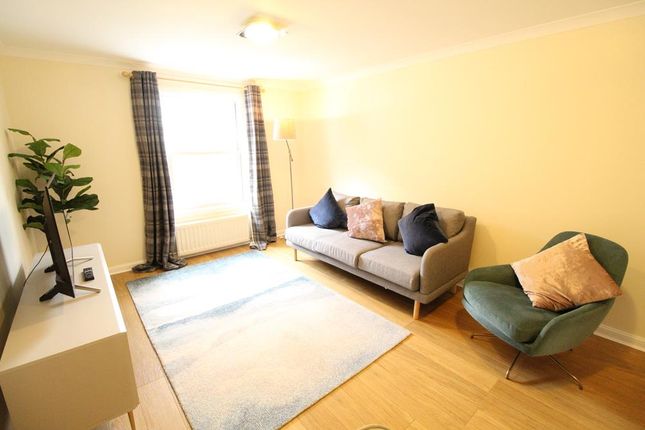
£950 pcm
2 Bedroom Flat
Aberdeen
2 bed · 2 bath · flat
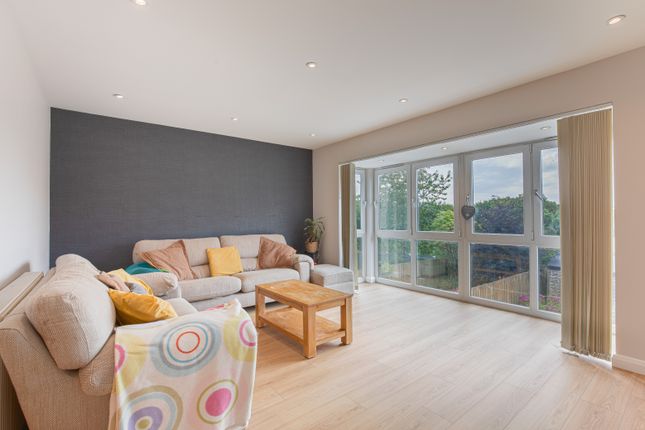
£1,950 pcm
4 Bedroom Terraced
Woodlands Walk - (FMP), Aberdeen
4 bed · 3 bath · terraced

£725 pcm
2 Bedroom Flat
Aberdeen
2 bed · 1 bath · flat

£585 pcm
1 Bedroom Flat
Aberdeen
1 bed · 1 bath · flat
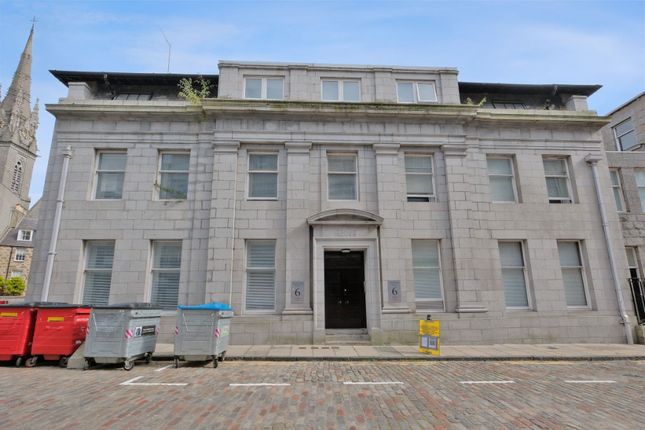
£725 pcm
1 Bedroom Flat
Aberdeen
1 bed · 1 bath · flat
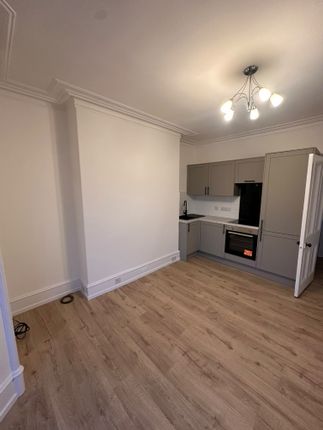
£775 pcm
2 Bedroom Flat
Aberdeen
2 bed · 1 bath · flat
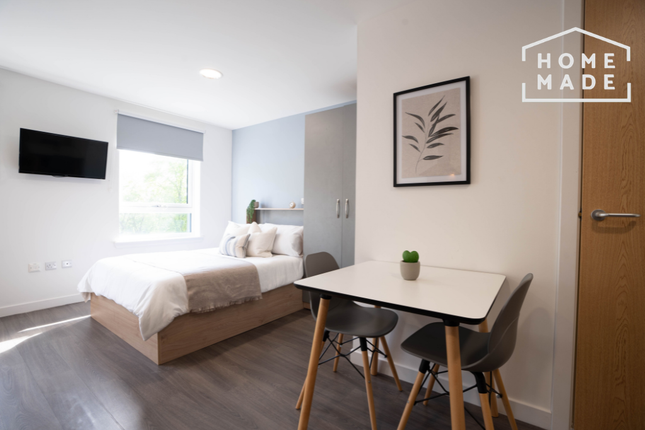
£715 pcm
Flat
Bronze En Suite, Caledon Court, Auchinyell Road,, Aberdeen
1 bath · flat
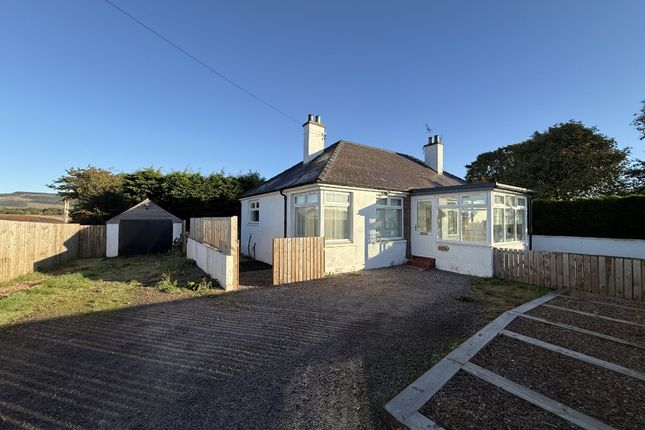
£850 pcm
3 Bedroom Detached
Aberdeenshire
3 bed · 1 bath · detached
£800 pcm
2 Bedroom Flat
Bridge Of Don, Aberdeen
2 bed · 1 bath · flat
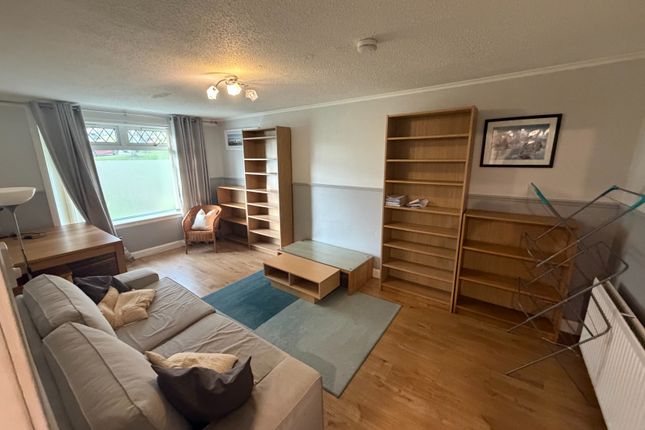
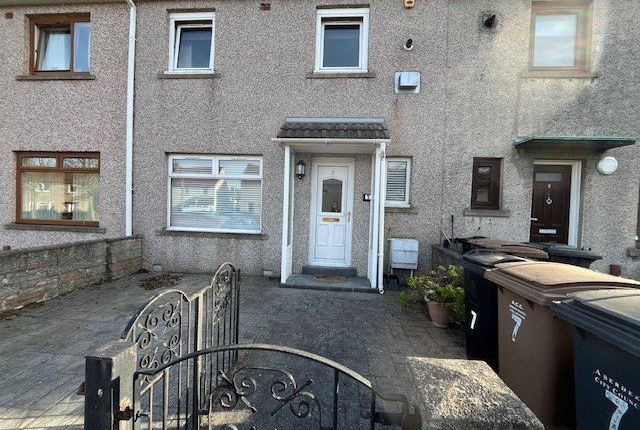
£695 pcm
2 Bedroom Flat
Ash-Hill Road, Aberdeen
2 bed · 1 bath · flat
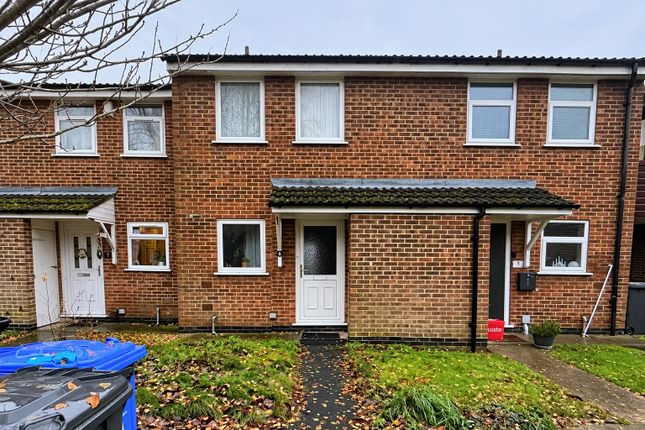
£810 pcm
2 Bedroom Terraced
Gillahill Place, Aberdeen
2 bed · 1 bath · terraced
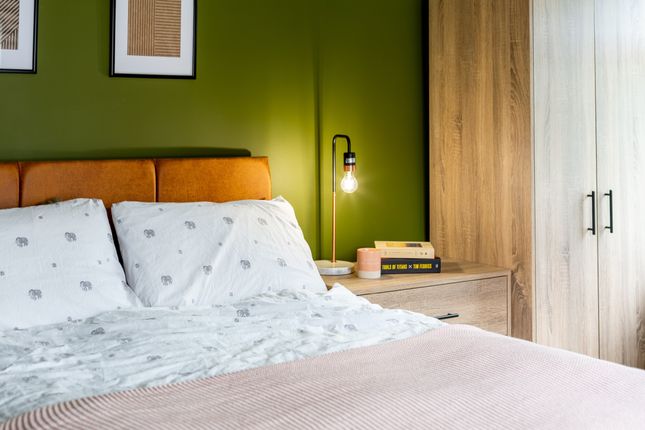
£850 pcm
2 Bedroom Terraced
Chatsworth Court, Derby
2 bed · 1 bath · terraced
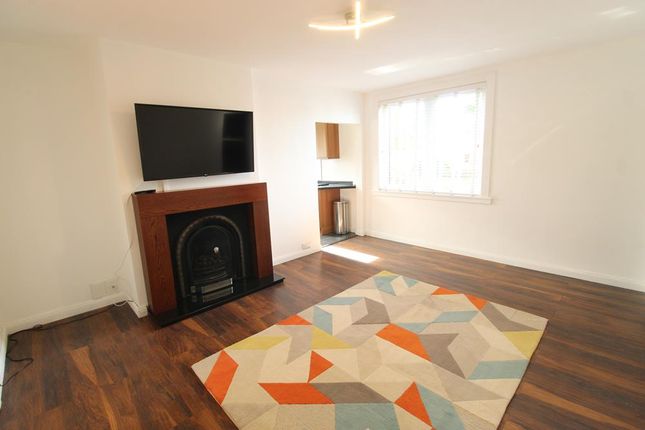
£900 pcm
1 Bedroom Flat
Studio 2, 1065 London Road, Derby
1 bed · 1 bath · flat
£750 pcm
2 Bedroom Flat
Aberdeen
2 bed · 2 bath · flat
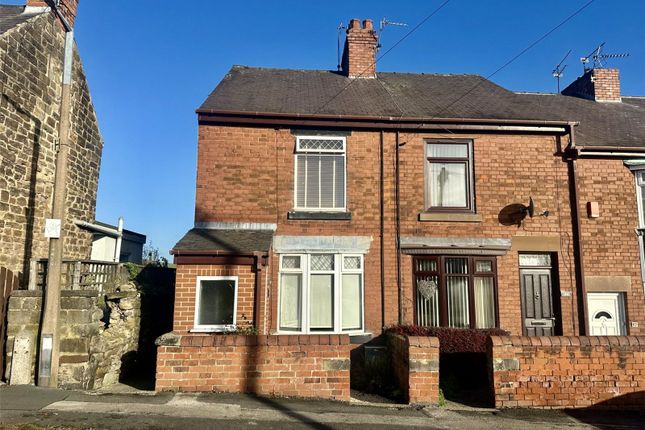
£850 pcm
2 Bedroom Terraced
Marsh Lane, Derbyshire
2 bed · 1 bath · terraced
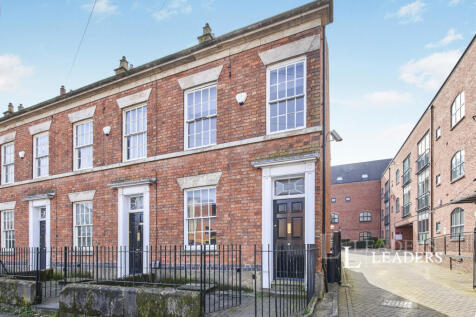
£100 pcm
2 Bedroom Terraced in DE1 3PF
Brook Street, Derby, Derbyshire, DE1
2 bed · 2 bath · terraced
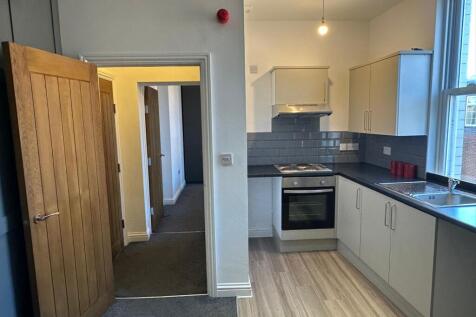
£595 pcm
1 Bedroom Flat in DE1 3QR
Nottingham Road, Derby, DE1
1 bed · 1 bath · flat
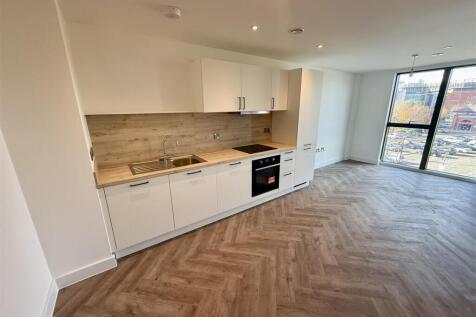
£700 pcm
Flat in DE1 2HP
Lombe House, 34 Liversage Street, Derby
1 bath · flat
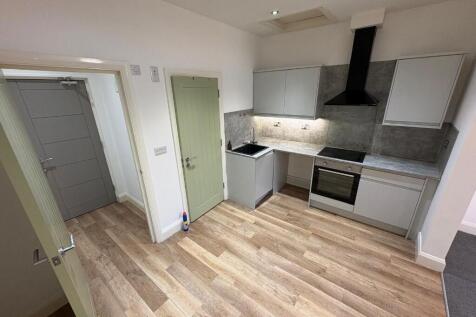
£725 pcm
1 Bedroom Flat in DE1 1LH
Curzon Street, Derby, Derbyshire, DE1
1 bed · 1 bath · flat
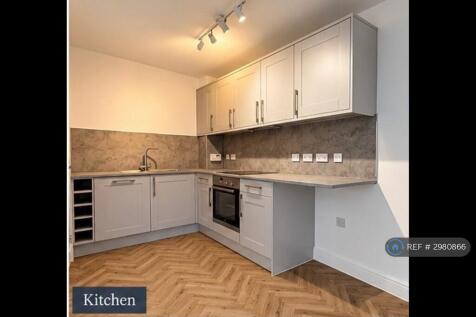
£875 pcm
2 Bedroom Flat in DE1 2TU
72, Sidney Street, Derby, DE1
2 bed · 2 bath · flat
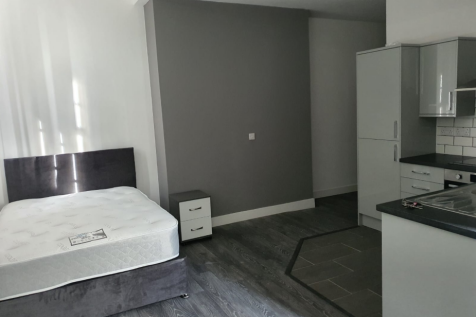
£875 pcm
Flat in DE1 1DY
Mill Street, Derby, Derbyshire, DE1
1 bath · flat
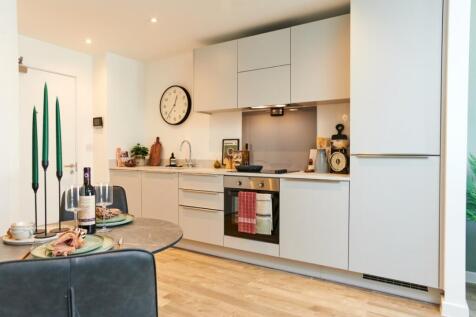
£950 pcm
1 Bedroom Flat in DE1 1FB
The Condor, Derby Derby DE1
1 bed · 1 bath · flat
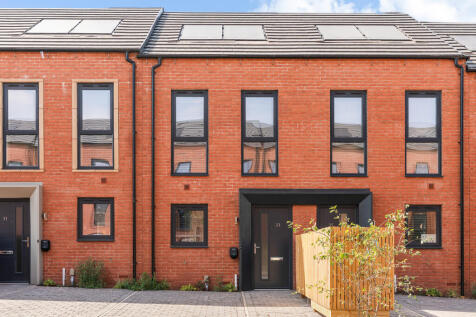
£1,150 pcm
2 Bedroom Terraced in DE1 1EU
Foundry Avenue, Derby, Derby City
2 bed · 1 bath · terraced
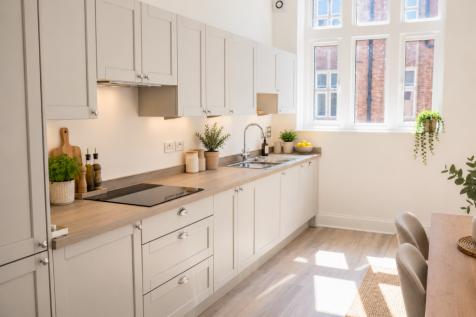
£1,250 pcm
1 Bedroom Flat in DE1 3FS
St. Marys Gate, Derby, Derbyshire, DE13FS
1 bed · 2 bath · flat
Holiday Lets: Premium Nightly Rates in UK Tourist Destinations
Holiday lets generate some of the highest gross rental incomes of any UK property strategy when positioned in the right location. Coastal villages, national park towns, and heritage cities attract guests willing to pay £150-£400 per night for a quality property during peak season. Compare that to an equivalent property renting as a long-term AST at £900-£1,200 PCM and the income upside is self-evident -- provided you manage occupancy effectively through the seasonal curve. The qualifying criteria for Furnished Holiday Let (FHL) tax status make this one of the few remaining property strategies with genuine tax advantages. To qualify as an FHL, the property must be available to let for at least 210 days per year, actually let for at least 105 days, and no single let can be for more than 31 consecutive days. FHL status allows you to claim capital allowances on furniture and equipment (not available on standard BTL), set mortgage interest against rental income (unlike section 24 restrictions on BTL), and potentially access entrepreneur's relief on disposal in certain circumstances. Confirm FHL eligibility with a property tax specialist before purchase. Location selection for holiday lets requires understanding the demand pattern of the destination. Pure summer-only locations (certain coastal villages) carry heavy void periods from October to March. Multi-season destinations -- historic cities, active outdoor areas like the Lake District and Scottish Highlands, and towns hosting festivals year-round -- maintain better annual occupancy. The best holiday let markets sustain 65-80% annual occupancy; poorly positioned properties in seasonal-only markets may struggle to exceed 45%. Property quality and presentation drive both occupancy and review scores, which drive future occupancy. Holiday let guests post detailed reviews on Airbnb, Booking.com, and TripAdvisor within 48 hours of checkout. A property with a 4.8 star rating at a reasonable nightly rate outperforms a 4.3 star property at a lower rate, because platform algorithms prioritise high-review listings in search results. The investment in quality furniture, professional photography, and thoughtful guest amenities (local guidebooks, quality bed linen, well-equipped kitchen) pays dividends through the platform ranking system. The regulatory environment is increasingly complex. Scotland introduced mandatory short-term let licensing in 2024 requiring a licence for all SA operations. England launched a registration scheme in 2025 with councils gaining powers to restrict SA. Planning permission for change of use to C5 (short-term let) is now required in some London boroughs. Council tax versus business rates classification for holiday lets changed in 2023 -- properties must now meet the actual letting threshold to access business rates, preventing the small business rates relief abuse that existed previously.
Key Benefits for Investors
Frequently Asked Questions
HMRC requires the property to be available for letting for at least 210 days per year and actually let commercially for at least 105 days. No single let can exceed 31 consecutive days by the same guest. The property must be let at a commercial rate -- letting to family and friends at below-market rates does not count towards the 105-day threshold. FHL status gives access to capital allowances, mortgage interest deductibility, and potentially business asset disposal relief. Consult a property tax specialist to confirm your property qualifies.
