Investment-Ready Properties
Find tenanted and investment-ready properties across the UK. Properties with existing tenants provide immediate rental income from day one.
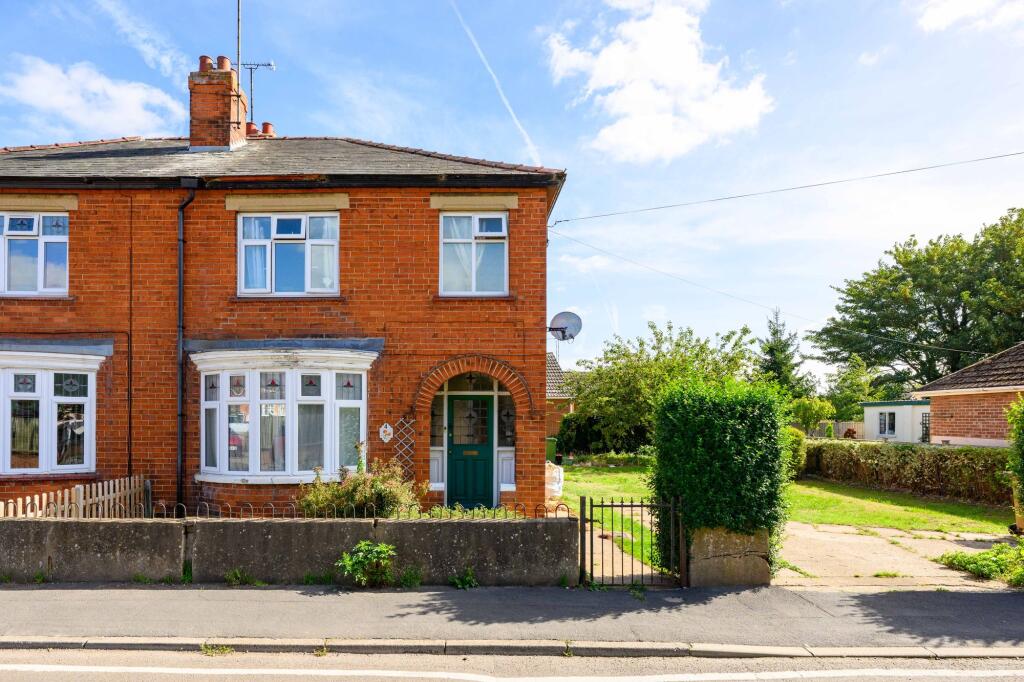
£160,000
3 Bedroom Semi-Detached in PE21 7JP
Park Road, Boston, PE21
3 bed · 1 bath · semi-detached
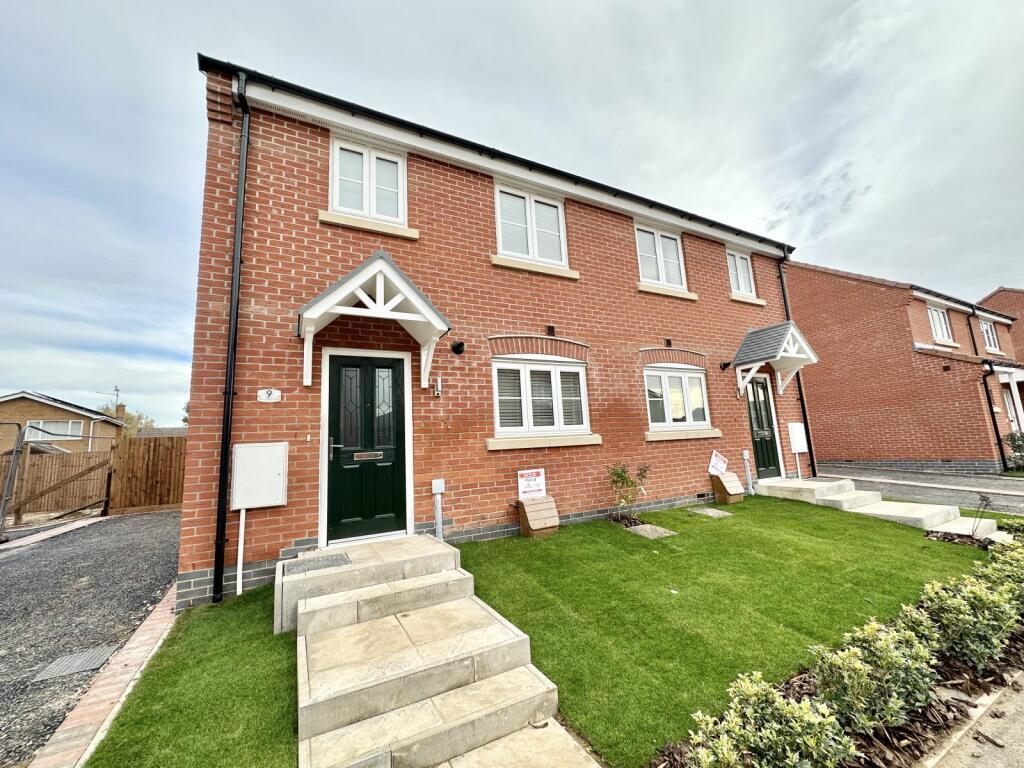
£198,000
3 Bedroom Semi-Detached in PE12 7RU
Tony Worth Close, Spalding, PE12
3 bed · 3 bath · semi-detached
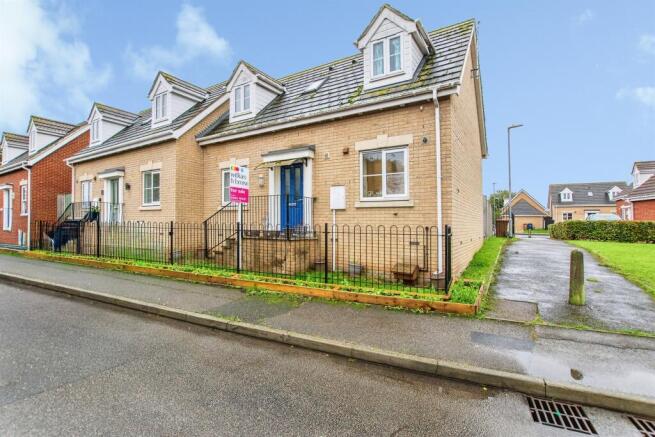
£190,000
2 Bedroom House in PE14 0TF
Weasenham Lane, Wisbech
2 bed · 1 bath · house
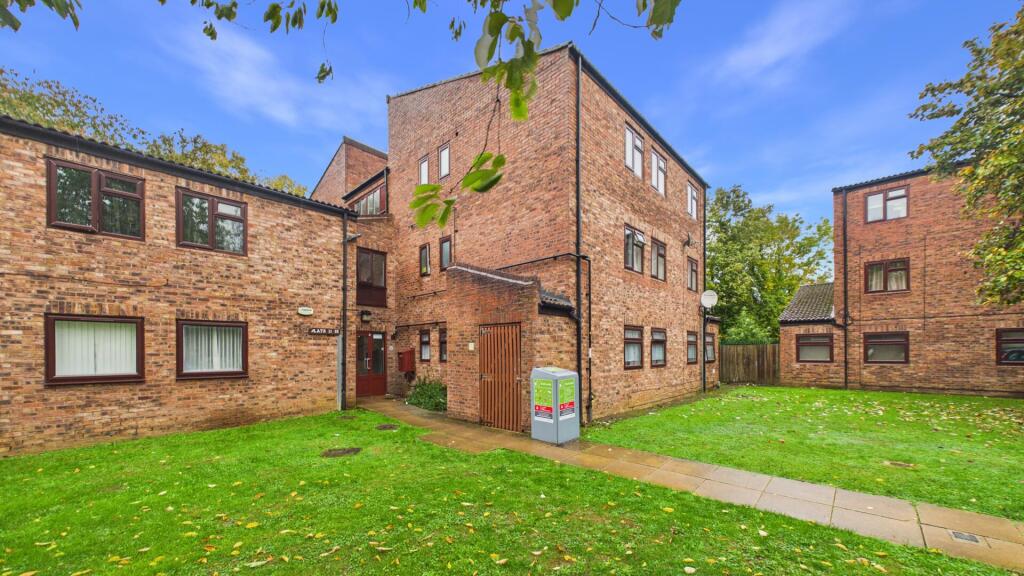
£100,000
2 Bedroom Flat in PE2 5QT
Hanbury, Orton Goldhay
2 bed · 1 bath · flat
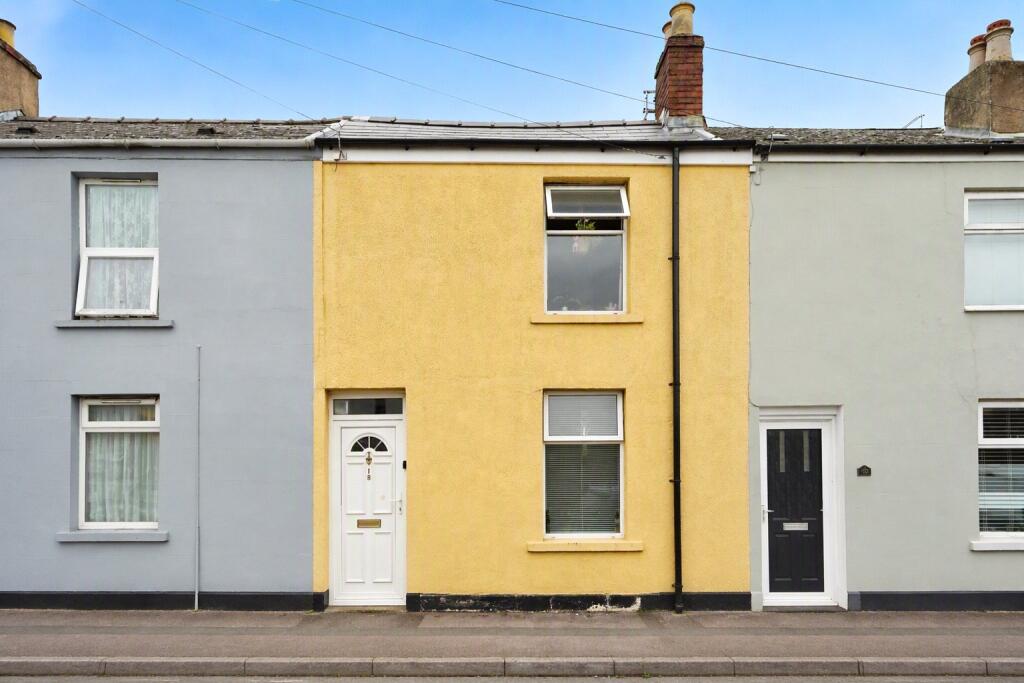
£230,000
3 Bedroom Terraced in GL50 4AG
Brunswick Street, Cheltenham, Gloucestershire, GL50
3 bed · 2 bath · terraced
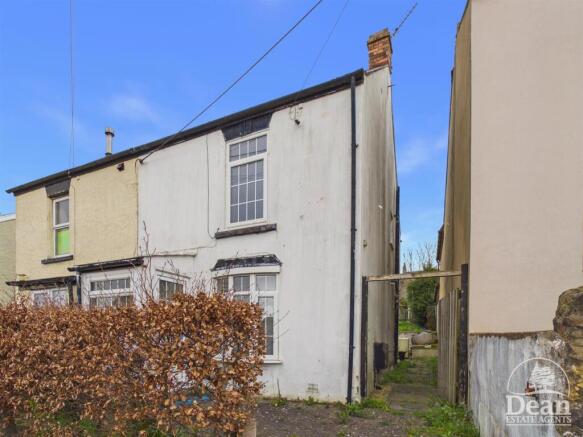
£145,000
3 Bedroom Semi-Detached in GL14 2NP
Abbey Street, Cinderford
3 bed · 1 bath · semi-detached
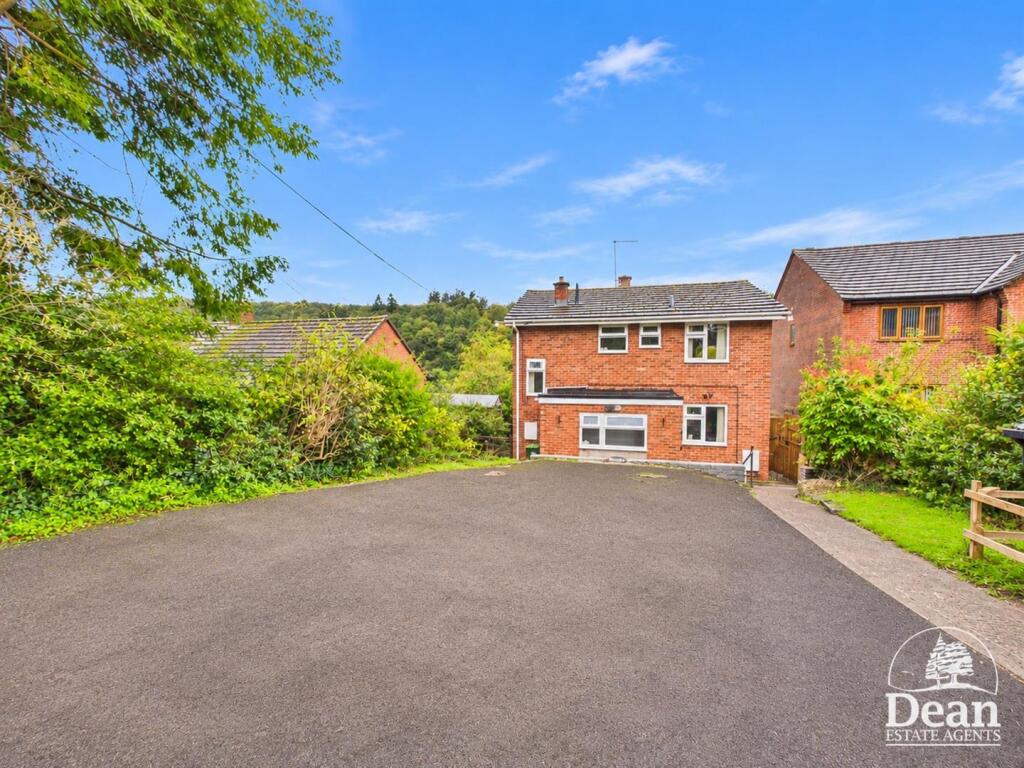
£325,000
3 Bedroom Detached in GL14 3AJ
Hewlett Way, Ruspidge, Cinderford
3 bed · 1 bath · detached
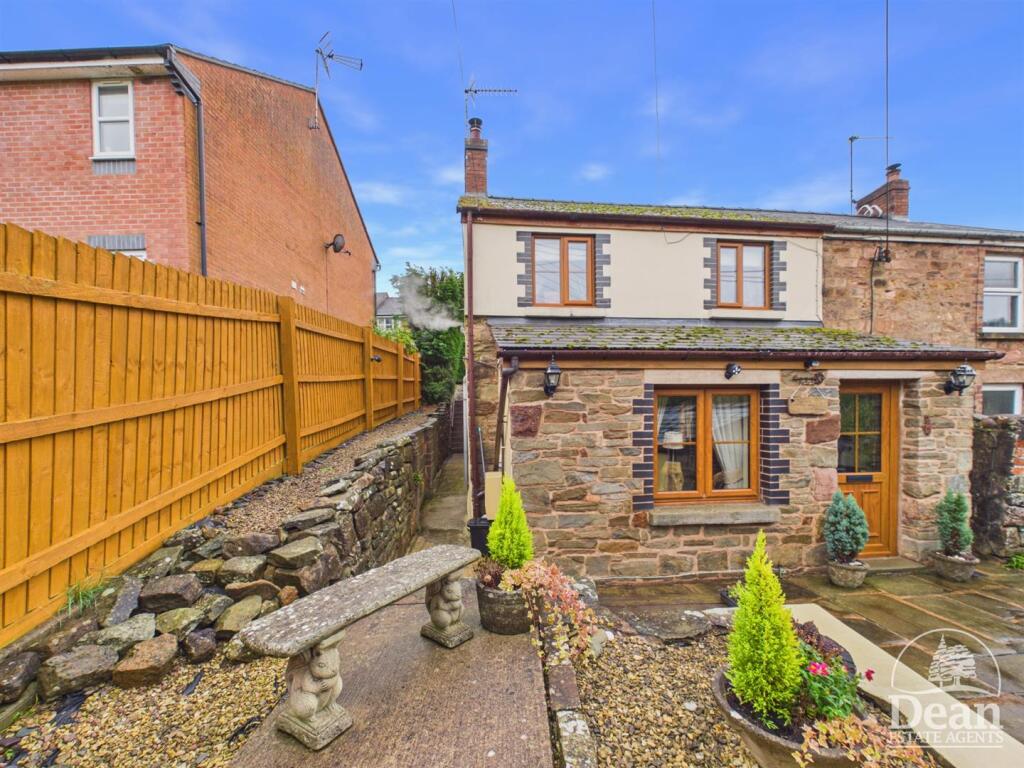
£345,000
3 Bedroom House in GL14 3EU
Peacock Lane, Cinderford
3 bed · 3 bath · house
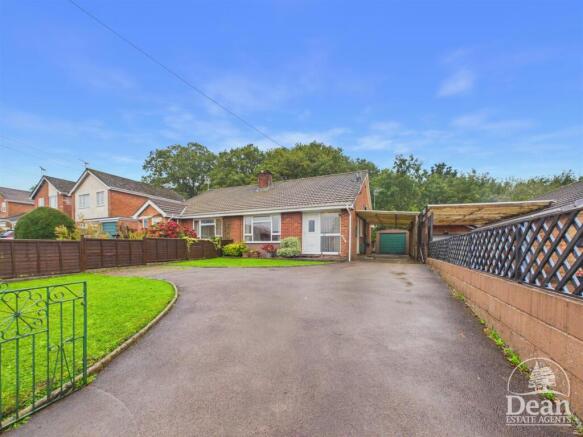
£265,000
2 Bedroom Semi-Detached in GL16 8PT
Tufthorn Avenue, Coleford
2 bed · 1 bath · semi-detached
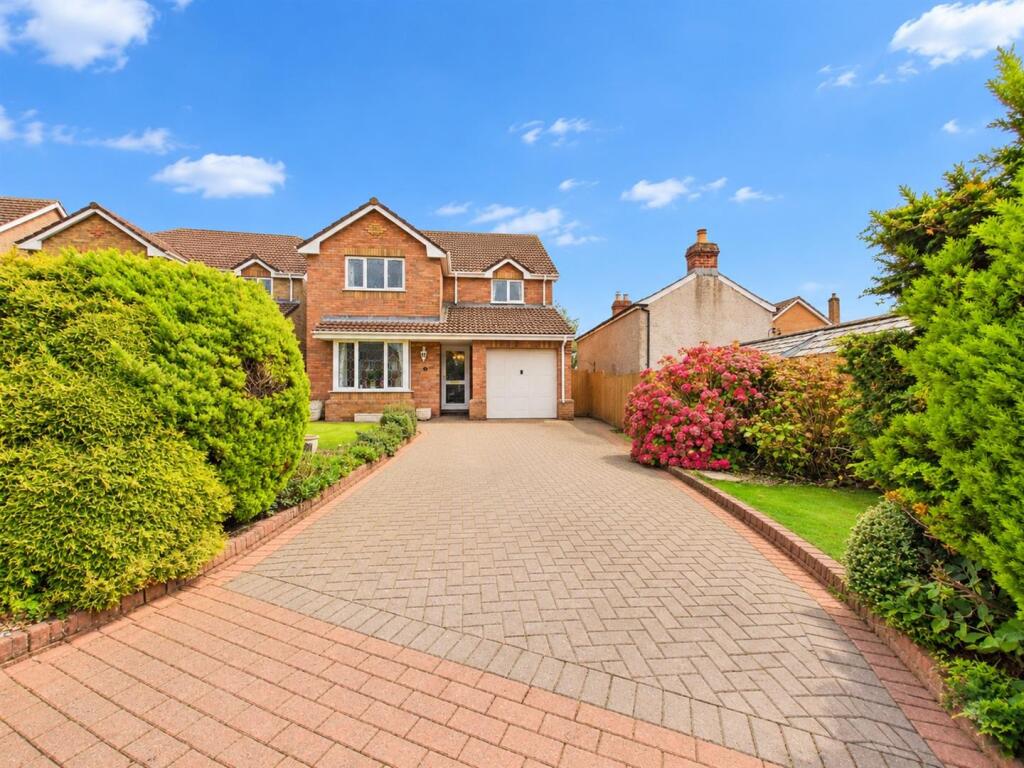
£380,000
4 Bedroom Detached in GL16 7GZ
Walnut Close, Coalway, Coleford
4 bed · 2 bath · detached
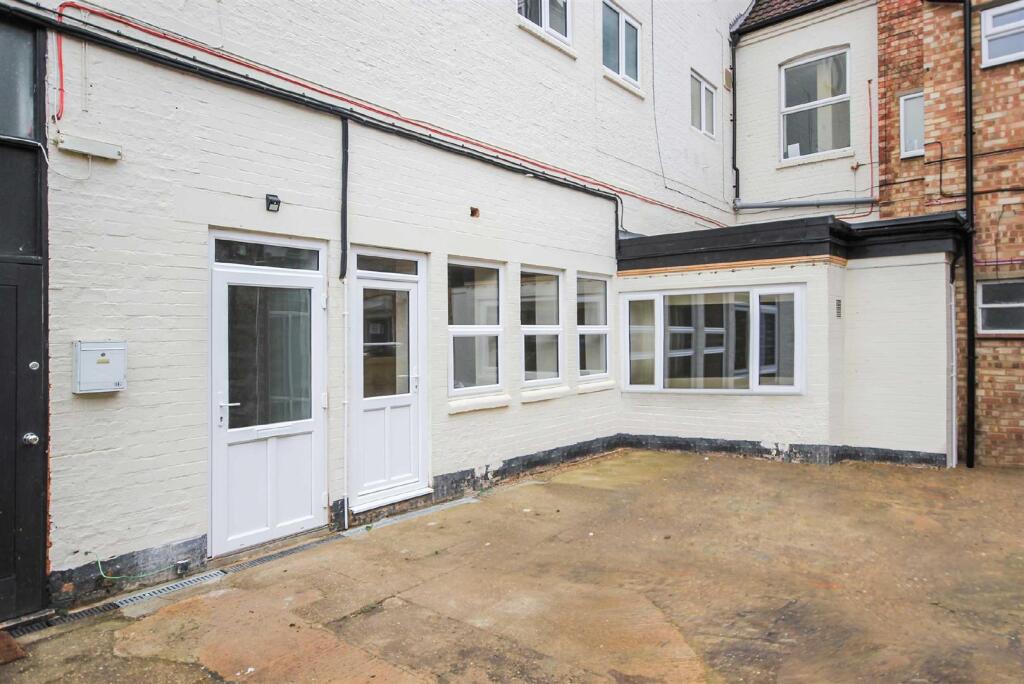
£99,950
1 Bedroom Flat in NN8 1GD
NN8 Tithe Barn Road, Wellingborough
1 bed · 1 bath · flat
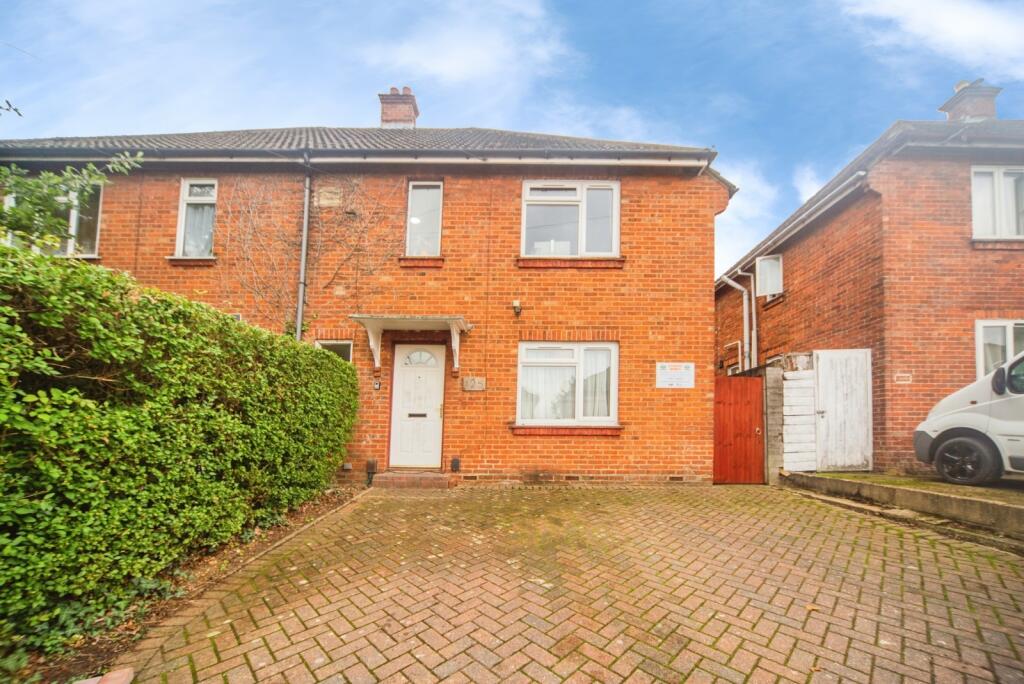
£450,000
6 Bedroom Semi-Detached in SO17 3TL
Harrison Road, Swaythling, Southampton, Hampshire, SO17
6 bed · 2 bath · semi-detached
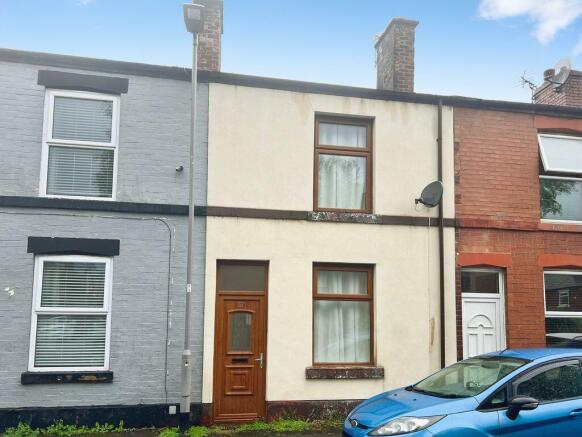
£125,000
2 Bedroom Terraced in M26 3BB
Wolsey Street, Radcliffe
2 bed · 1 bath · terraced
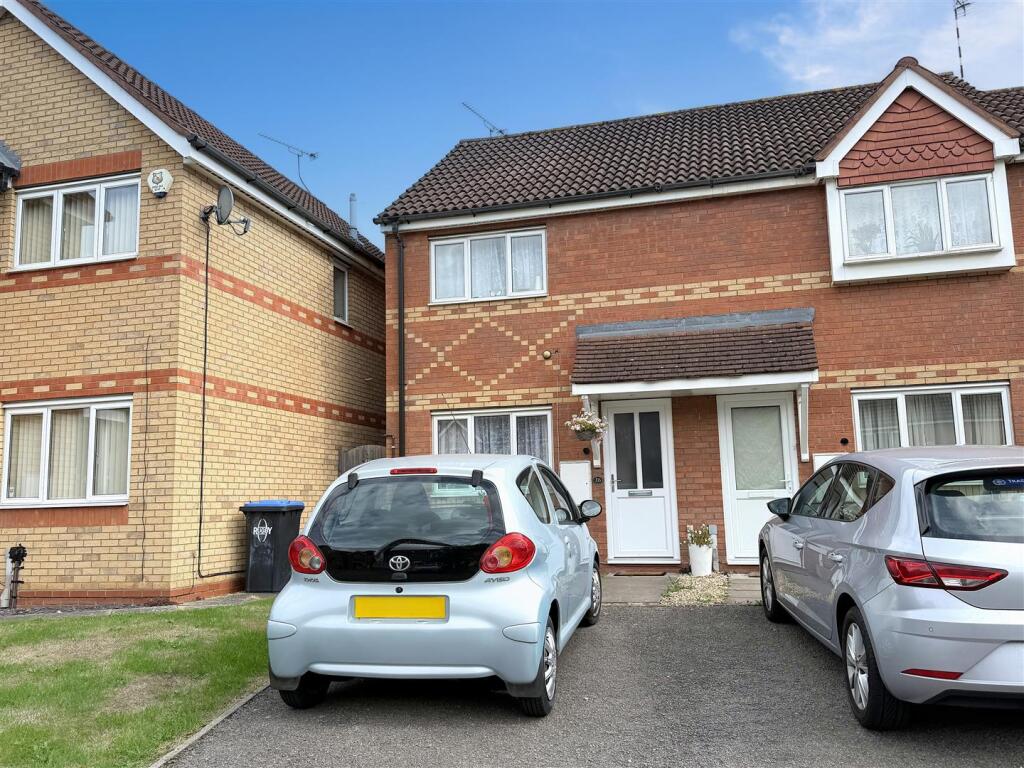
£200,000
2 Bedroom Terraced in CV21 1XJ
Thomson Close, Rugby
2 bed · 1 bath · terraced
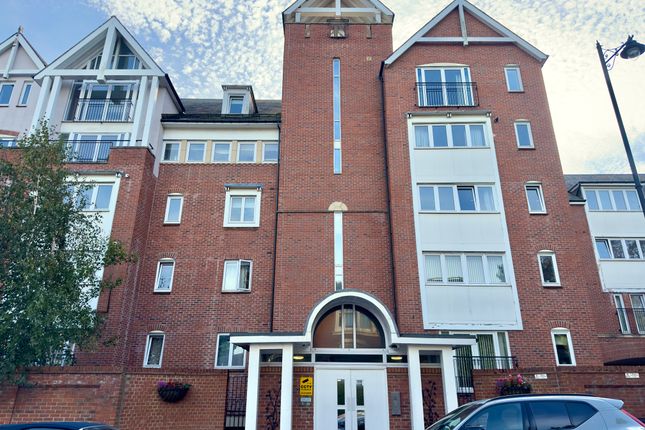
£55,000
2 Bedroom Flat
The Cloisters, Sunderland
2 bed · 1 bath · flat
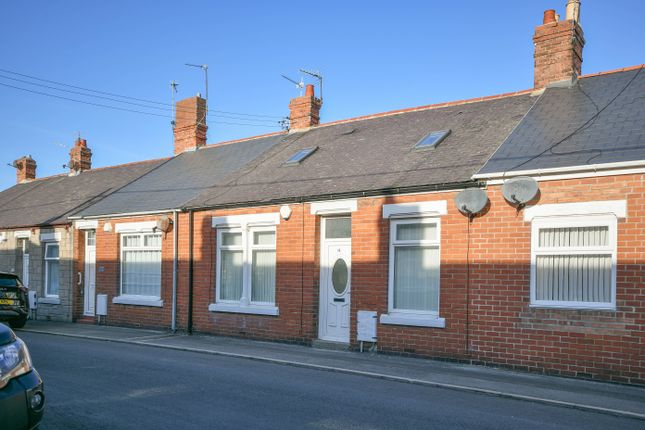
£98,000
3 Bedroom Bungalow
Union Street, Seaham
3 bed · 2 bath · bungalow
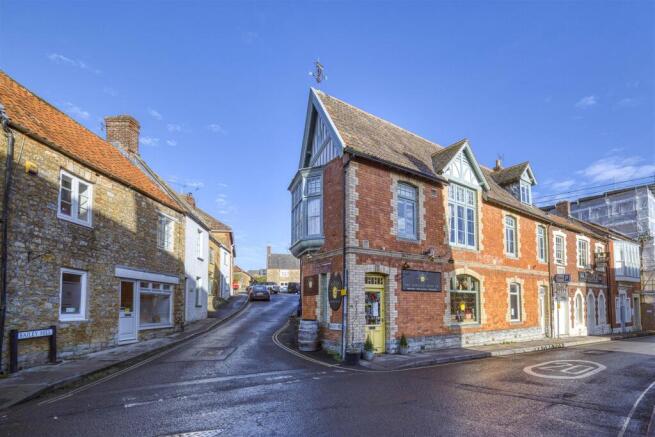
£450,000
3 Bedroom Flat in BA7 7BL
A wonderful duplex apartment with two commercial units
3 bed · 2 bath · flat
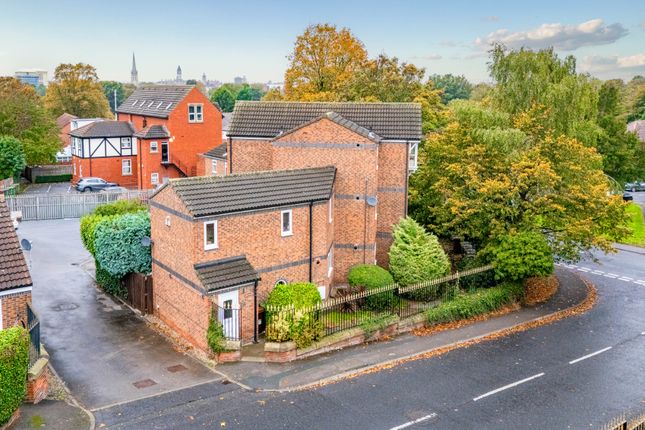
£70,000
1 Bedroom Flat
East Moor, Wakefiled
1 bed · 1 bath · flat
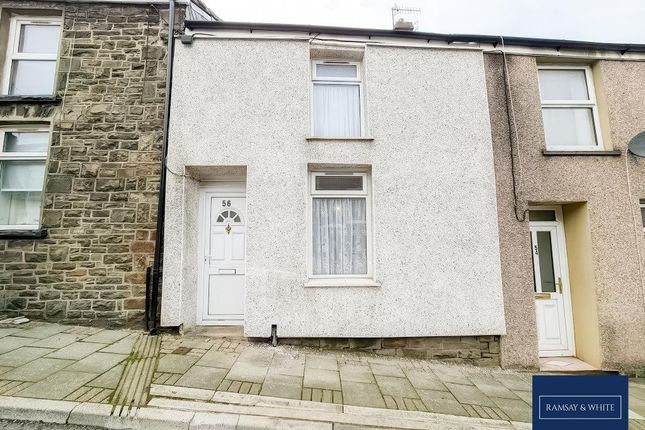
£110,000
2 Bedroom Terraced in CF45 3PE
High St, Mountain Ash
2 bed · 1 bath · terraced
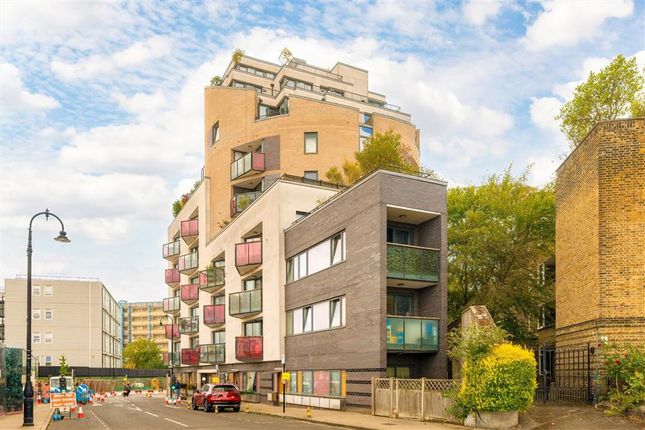
£475,000
1 Bedroom Flat
Cubitt Court, London
1 bed · 1 bath · flat

£650,000
3 Bedroom House in BD23 4RE
Wigglesworth, Skipton, BD23
3 bed · 1 bath · house
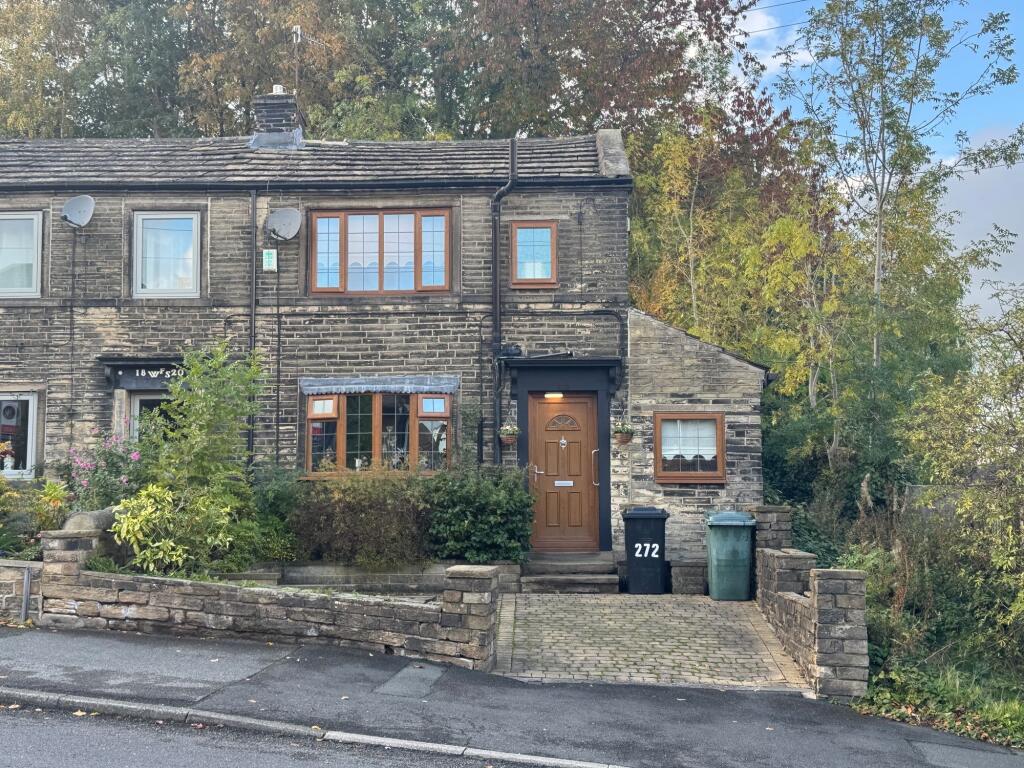
£115,000
1 Bedroom Semi-Detached in BD7 4BE
Hollingwood Lane, Bradford, BD7
1 bed · 1 bath · semi-detached
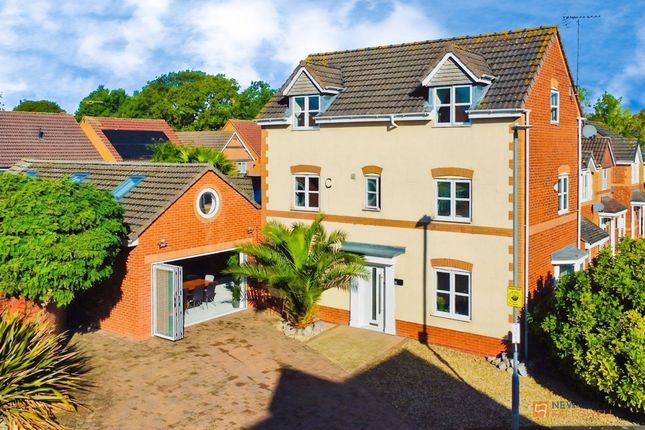
£484,950
5 Bedroom Detached
7 Bolus Road, Leicester
5 bed · 4 bath · detached
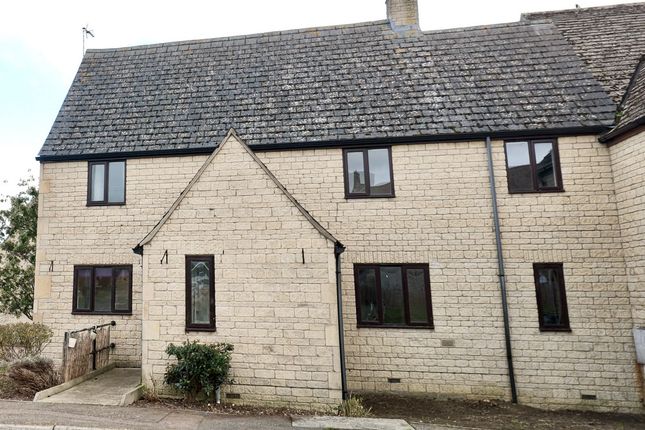
£290,000
3 Bedroom Terraced in PE8 6XR
Wood Road, King's Cliffe
3 bed · 1 bath · terraced
Tenanted Properties: Income From Day One
Empty properties cost money. Every week without a tenant means mortgage payments, insurance, and council tax with no rental income to cover them. Tenanted purchases eliminate this gap entirely. The real value is certainty. Existing tenancy proves achievable rent levels, demonstrates tenant quality through payment history, and shows the property works as a rental. That track record beats any agent's optimistic rental estimate for an empty property. Void periods average 3-6 weeks between tenancies. On a £1,000 per month rent, that is £750-1,500 lost every time a tenant moves on. A tenanted purchase skips this initial void completely - income starts the day you complete. Due diligence works differently here. Request the tenancy agreement, deposit protection certificate, gas safety certificate, EPC, and rent payment history. Non-compliance becomes your problem on purchase. If the current landlord has not protected the deposit properly, you inherit that liability. Know the limitations. Tenants on valid ASTs cannot be removed just because you bought the property. If you need vacant possession for renovation, tenanted purchase is the wrong strategy. For buy-and-hold investors wanting immediate cash flow, it is ideal.
Key Benefits for Investors
Frequently Asked Questions
Yes, following proper procedures. For periodic tenancies, serve a Section 13 notice with appropriate notice period. Fixed-term tenancies can only increase if the agreement allows or the tenant agrees. Rent increases must be reasonable for the local market. Tenants can refer proposed increases to a tribunal.
