Supported Living Properties
Find 3+ bedroom properties suitable for supported living lets across the UK. Lease to specialist care providers for guaranteed rent with long-term leases.

£1,350 pcm
3 Bedroom Flat
Barnton Street, Stirling
3 bed · 1 bath · flat
£1,800 pcm
4 Bedroom Flat
Barnton Street, Stirling
4 bed · 1 bath · flat
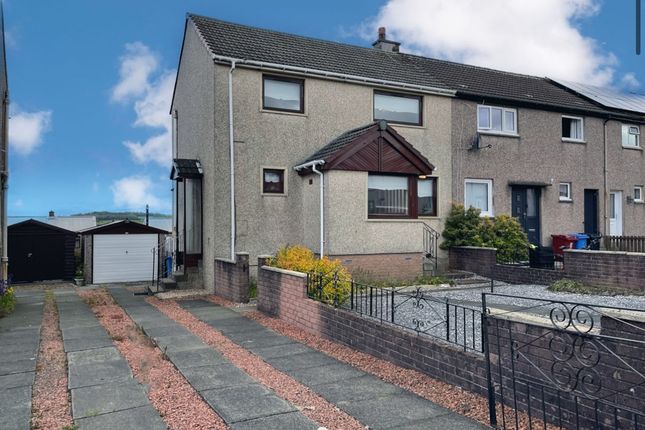
£925 pcm
3 Bedroom Terraced
Godfrey Avenue, Denny
3 bed · 1 bath · terraced
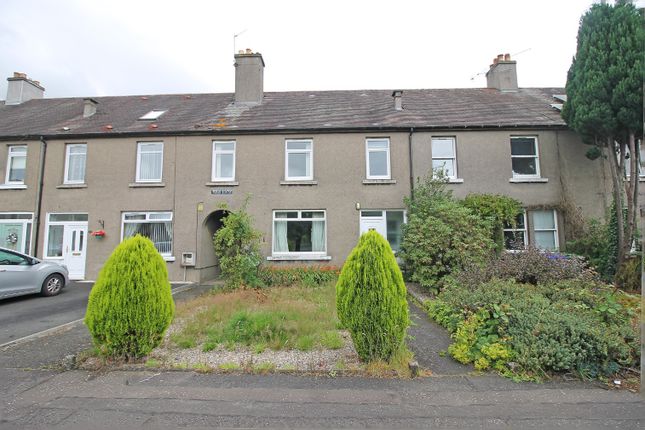
£2,125 pcm
5 Bedroom Terraced
Haugh Road, Stirling
5 bed · 3 bath · terraced
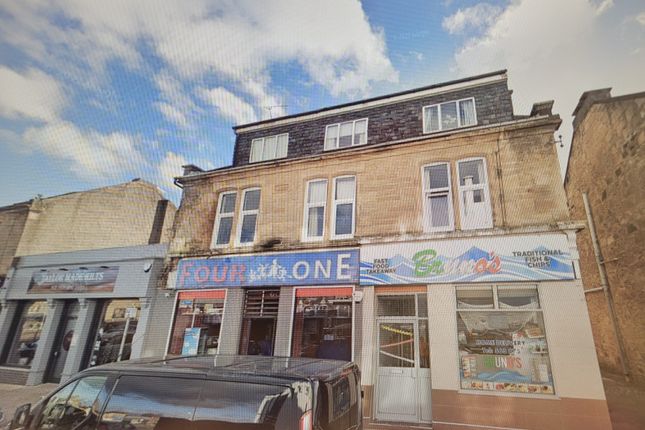
£875 pcm
3 Bedroom Flat
Stenhousemuir
3 bed · 2 bath · flat
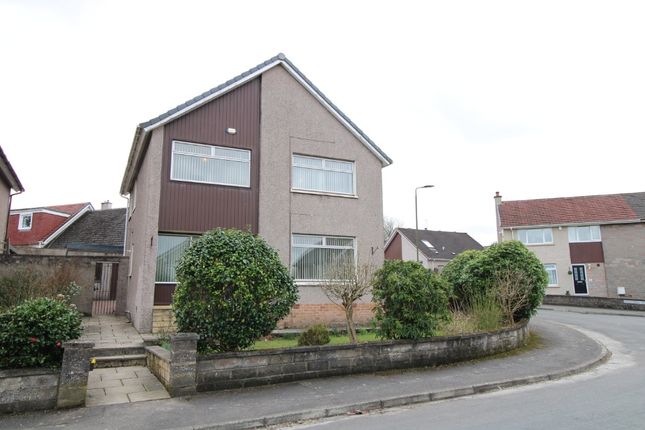
£1,695 pcm
4 Bedroom Detached
Falkirk
4 bed · 3 bath · detached

£925 pcm
3 Bedroom Flat
Falkirk
3 bed · 1 bath · flat
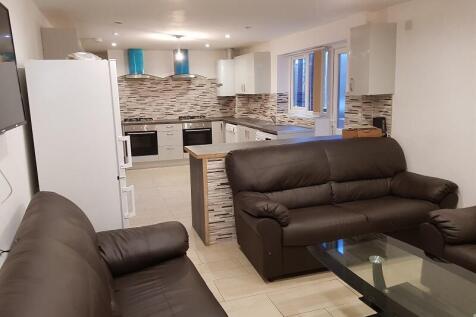
£500 pcm
8 Bedroom Terraced in B29 7BN
Luton Road, Birmingham
8 bed · 4 bath · terraced
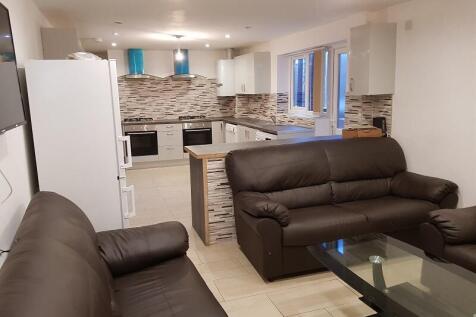
£500 pcm
9 Bedroom Terraced in B29 7AU
Dawlish Road, Birmingham
9 bed · 9 bath · terraced
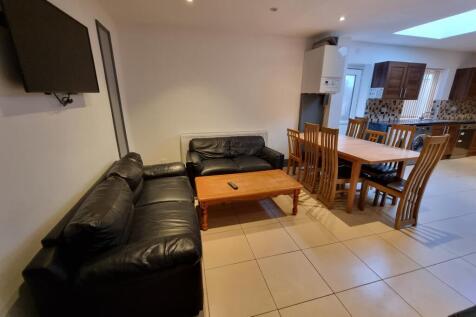
£500 pcm
8 Bedroom Semi-Detached in B29 6HX
Oak Tree Lane, Selly Oak, Birmingham
8 bed · 8 bath · semi-detached
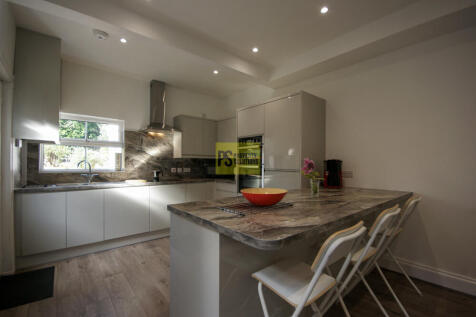
£412 pcm
5 Bedroom Terraced in B29 6HY
98, Oak Tree Lane, Selly Oak, Birmingham, B29 6HY
5 bed · 2 bath · terraced
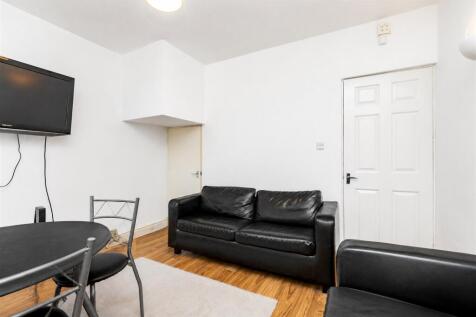
£520 pcm
4 Bedroom House in B29 7AF
Dawlish Road, Birmingham, B29
4 bed · 1 bath · house
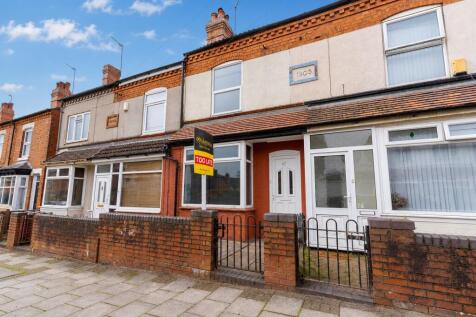
£529 pcm
4 Bedroom Terraced in B29 7RL
Milner Road, Birmingham, B29
4 bed · 2 bath · terraced
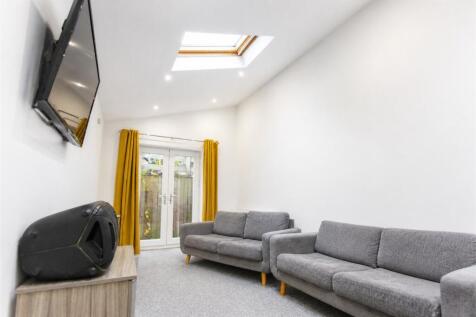
£550 pcm
6 Bedroom House in B29 7DL
Selly Hill Road, Birmingham, B29
6 bed · 3 bath · house

£563 pcm
5 Bedroom House in B29 6JX
Winnie Road, Selly Oak, Birmingham, B29 6JX
5 bed · 5 bath · house
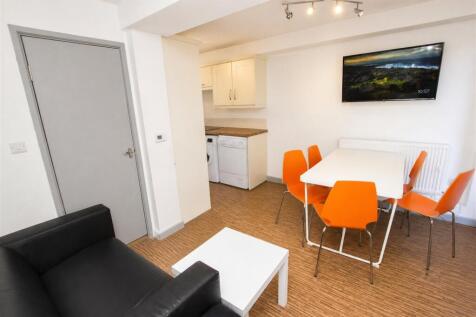
£572 pcm
6 Bedroom House in B29 6EZ
Heeley Road, Birmingham, B29
6 bed · 6 bath · house
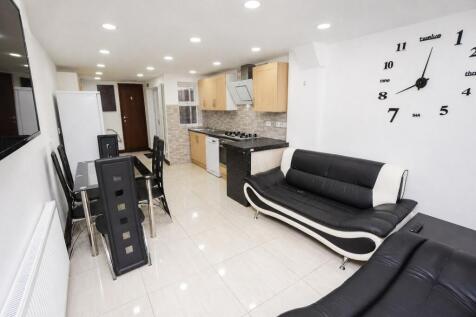
£572 pcm
6 Bedroom Terraced in B29 6DA
Tiverton Road, Birmingham, B29
6 bed · 6 bath · terraced
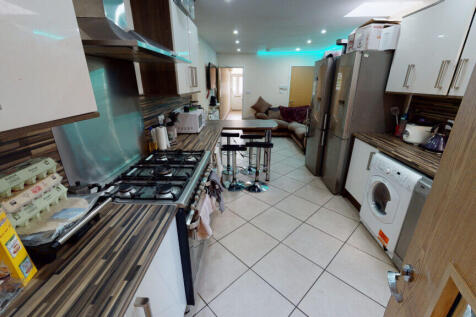
£585 pcm
6 Bedroom House in B29 6DB
Tiverton Road, Selly Oak, B29 6DB
6 bed · 6 bath · house
£587 pcm
8 Bedroom Terraced in B29 7DG
Rookery Road, Selly Oak, Birmingham
8 bed · 8 bath · terraced
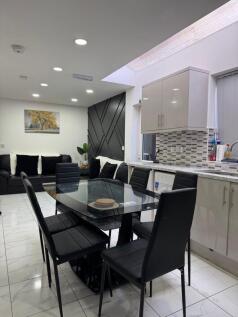
£587 pcm
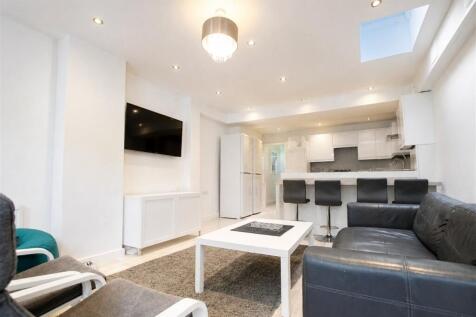
7 Bedroom Terraced in B29 6DA
Tiverton Road, Birmingham
7 bed · 7 bath · terraced
£594 pcm
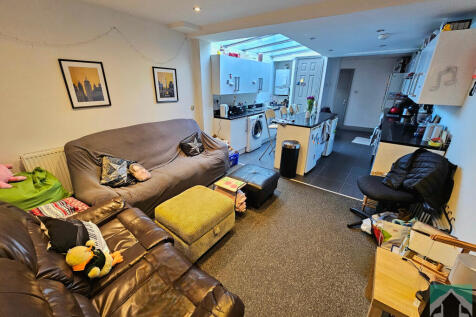
6 Bedroom House in B29 6EJ
Heeley Road, Birmingham, B29
6 bed · 6 bath · house
£594 pcm
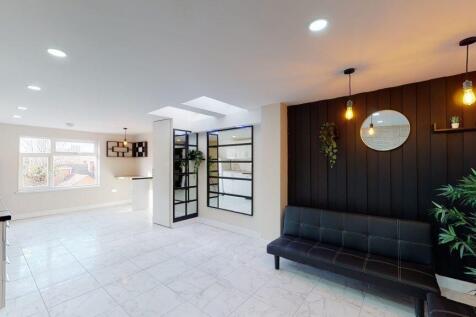
6 Bedroom Terraced in B29 6DR
Dartmouth Road, Birmingham
6 bed · 6 bath · terraced
£520 pcm
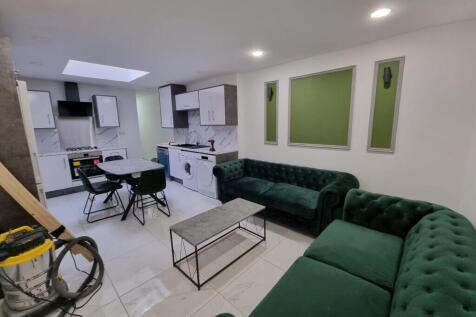
6 Bedroom House in B29 7DG
Rookery Road, Selly Oak, B29 7DQ
6 bed · 3 bath · house
£608 pcm
6 Bedroom Terraced in B29 6JQ
Boldmere Terrace, Birmingham
6 bed · 6 bath · terraced
Supported Living: Long Leases and Premium Rents Backed by Public Funding
Supported living is one of the most underexplored strategies in UK property investment, offering lease terms of 3-5 years, rental income 25-50% above market AST rates, and zero void periods for the duration of the contract. You lease your property to a care provider or housing association who operates it as supported accommodation for adults with learning disabilities, mental health needs, or physical disabilities. The rent is funded by local authority and NHS budgets -- among the most reliable income sources available in UK property. The income model works because care providers need accommodation that meets specific regulatory standards, and the supply of suitable properties is chronically short relative to demand. Local authorities commission care providers to deliver accommodation-based support packages, and the accommodation costs are covered at above-market rates because the alternative -- residential care home placement -- is significantly more expensive. Your rent from a supported living provider is effectively backed by local authority spending. Property requirements are specific. Properties need to meet RRLA (Regulatory Reform (Fire Safety) Order) fire safety standards, have adequate space for communal and private areas, provide single occupancy bedrooms of sufficient size for the care need, include accessible bathrooms and kitchen facilities, and in many cases require wheelchair accessibility. Properties in quiet residential streets are preferable to busy main roads -- many residents have sensory sensitivities or require a calm environment. Garden space is valued. Proximity to community facilities (shops, transport links) matters. The regulatory environment for supported living is complex but manageable once understood. Properties used for supported living typically need planning consent as C2 (residential institutions) or C3 where the care model permits. The care provider holds the CQC (Care Quality Commission) registration and manages the regulatory relationship. As a property owner, your primary obligation is providing a safe, compliant building -- the care and regulatory compliance is the provider's responsibility. Finding care providers to work with requires targeting registered social landlords (RSLs), specialist supported living organisations, and housing associations with care arms. Local authority commissioning teams can direct you to accredited providers in your area. Providers are actively looking for suitable properties in most regions due to supply shortages -- a well-presented enquiry to 10-15 providers in your target area will typically generate several expressions of interest. Due diligence on the care provider is critical. A lease with a financially unstable care provider carries more risk than a lease with a well-funded housing association. Check CQC inspection ratings, company accounts, and the organisation's track record on supported living contracts before signing. The lease itself should include provisions for property condition at handover, reinstatement obligations, and step-in rights if the provider defaults.
Key Benefits for Investors
Frequently Asked Questions
The care provider or housing association pays the rent to you as the property owner. Their income comes from local authority contracts, NHS funding, and housing benefit payments on behalf of residents. This means your rent is not dependent on individual tenant income or benefit claims -- it flows from an institutional payer with public funding backing. This is one of the most secure income streams available in UK residential property.
