DSS Friendly Properties
Find affordable DSS-friendly rental properties across the UK. Properties priced within Local Housing Allowance (LHA) rates to attract housing benefit tenants with stable income.
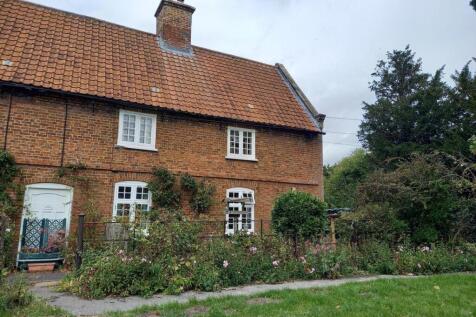
£1 pcm
2 Bedroom Terraced in LN9 5QF
Church Terrace, Hemingby, Horncastle
2 bed · 1 bath · terraced
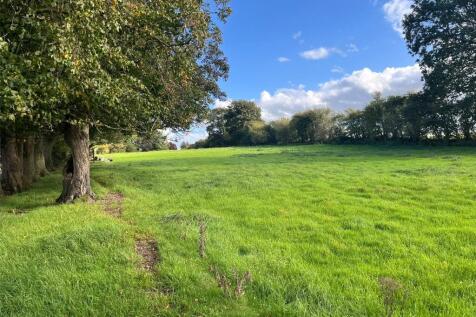
£1 pcm
Land in CA5 6DL
Land At Kirkandrews-On-Eden, Carlisle, Cumbria
land

£1 pcm
House in WF10 5QJ
Land on the South Side of the Express way, Normanton WF10 5QJ
house
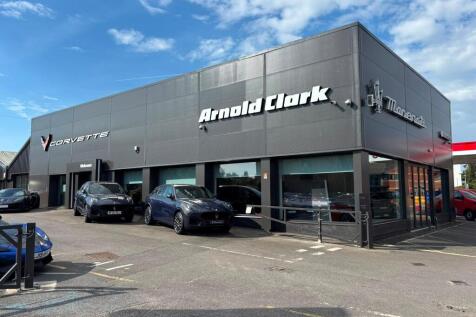
£1 pcm
House in WA15 8EX
16-20 Stockport Road, Altrincham, Greater Manchester WA15
house
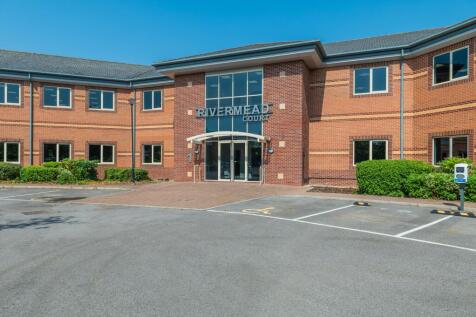
£1 pcm
House in BS21 6FT
Building 1, Rivermead Court, Kenn Business Park, Clevedon, Somerset BS21
house
£4 pcm
9 Bedroom House
Moorland Avenue Hyde Park, Leeds
9 bed · 1 bath · house
£4 pcm
1 Bedroom House in LE11 2DN
Albert Place, Loughborough
1 bed · 1 bath · house
£4 pcm
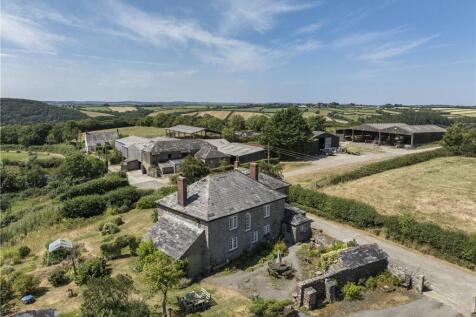
Land in PL15 9RQ
Northcott, Launceston, Devon, PL15
land
£4 pcm
1 Bedroom House in LE11 1UH
Lemyngton Street, Loughborough
1 bed · 1 bath · house
£4 pcm
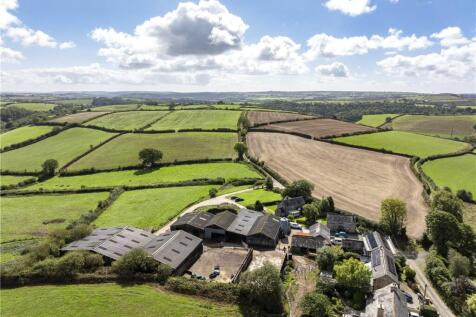
3 Bedroom Land in PL14 3SD
Trehunist, Liskeard, Cornwall, PL14
3 bed · land
£4 pcm
1 Bedroom Flat in LE11 5AZ
Orchard Close, Loughborough
1 bed · 1 bath · flat
£4 pcm
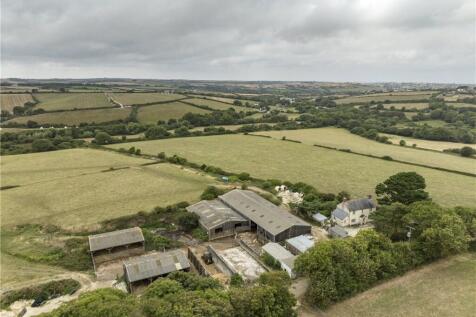
3 Bedroom Land in TR8 4PH
Trerice, Newquay, Cornwall, TR8
3 bed · land
£8 pcm
House in EH30 9SL
Unit 5, Unit 5 The Granary, Home Farm, Hopetoun, South Queensferry, EH30
house

£15 pcm
Other in CV2 4HE
King Richard Street
parking
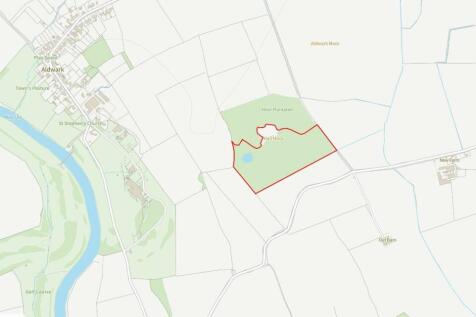
£20 pcm
1 Bedroom House in YO61 1UB
Land At Hall Moor
1 bed · house

£20 pcm
Other in NE2 1RH
Starbeck Avenue, Newcastle Upon Tyne, NE2
parking
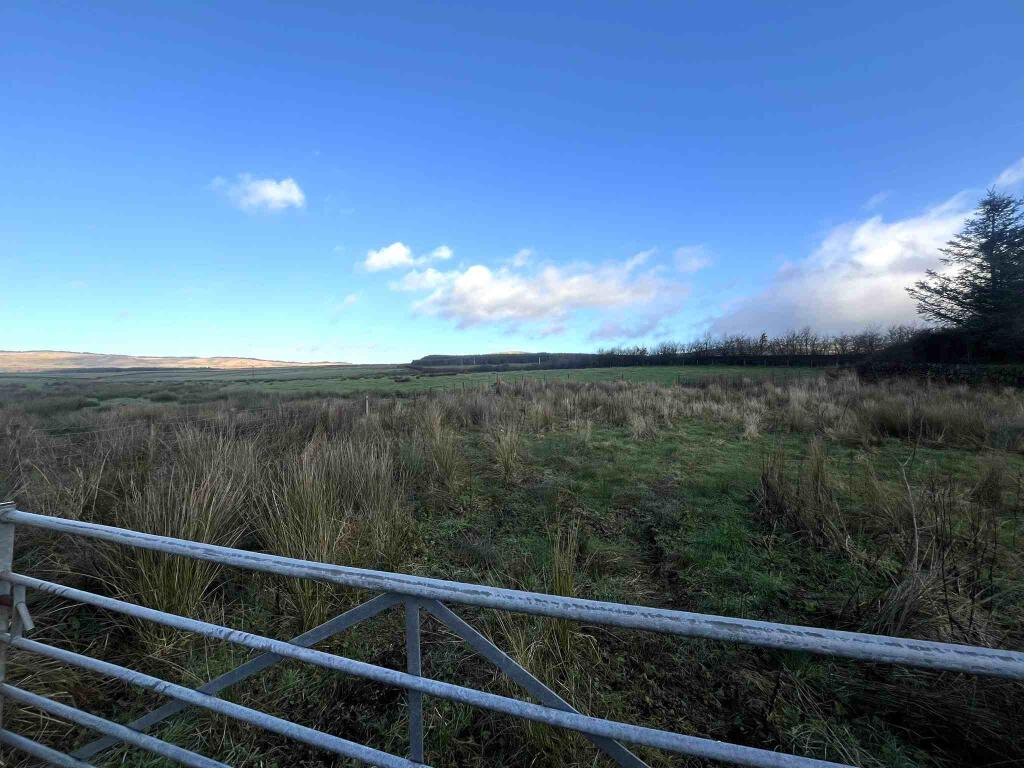
£21 pcm
1 Bedroom House in DG4 6NN
Land Adjacent to 2 Knowe
1 bed · house

£30 pcm
Other in N1 3DH
SHEPPERTON ROAD, London, N1
parking

£30 pcm
Other in S80 2AH
Car Park Space, Town Centre
parking
£40 pcm
1 Bedroom Flat in LE11 1UH
Lemyngton Street, Loughborough
1 bed · 1 bath · flat
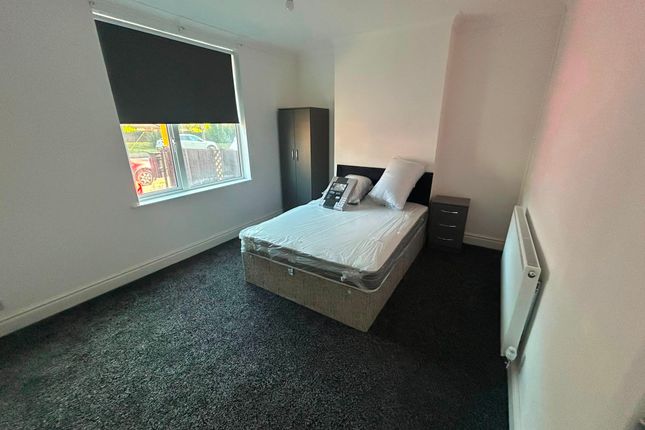
£40 pcm
1 Bedroom Flat in DE11 9HS
60 Linton Road, Swadlincote
1 bed · 1 bath · flat
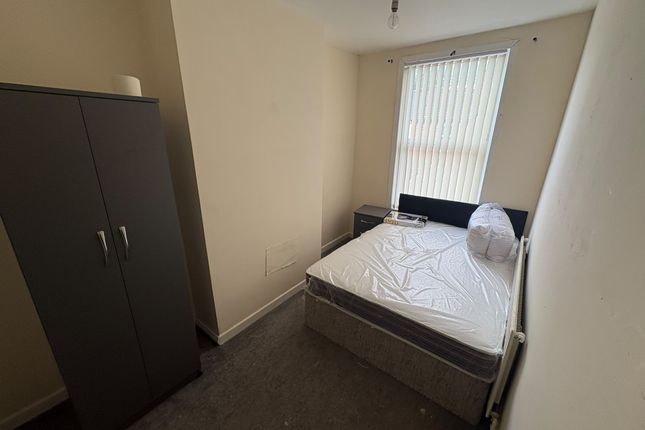
£40 pcm
4 Bedroom Terraced in WV6 0PQ
22, Carter Road, Wolverhampton
4 bed · 1 bath · terraced
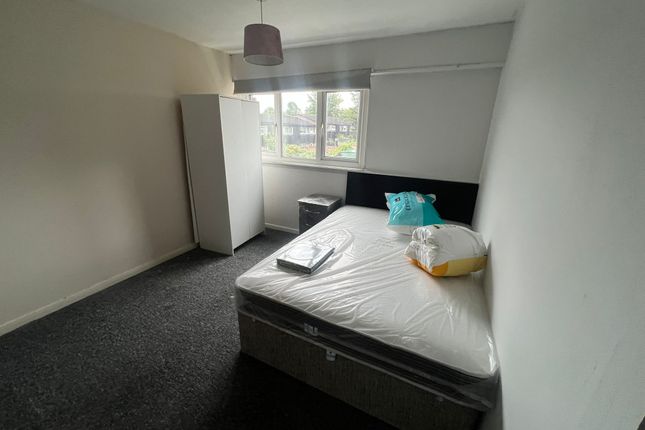
£40 pcm
4 Bedroom Terraced in B37 6RL
37, Woodlands Way, Birmingham
4 bed · 1 bath · terraced
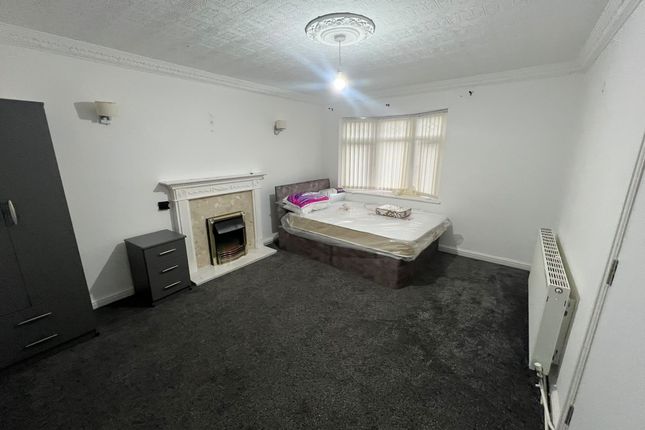
£40 pcm
3 Bedroom Terraced in WS2 0LY
22 Malkit Close, Walsall
3 bed · 1 bath · terraced
DSS-Friendly Lets: Steady UC and Housing Benefit Income
DSS-friendly letting -- accepting tenants in receipt of Universal Credit (UC) housing cost element or legacy housing benefit (HB) -- provides access to a large tenant pool with government-backed income support. In areas where Local Housing Allowance (LHA) rates are competitive relative to market rents, DSS-friendly landlords can achieve reliable income from tenants who are often longer-term than professional renters, reducing the management overhead and re-letting costs of frequent turnover. The income source for DSS tenants is the housing cost component of Universal Credit or legacy housing benefit. LHA rates are set by the Valuation Office Agency (VOA) for each Broad Rental Market Area (BRMA) and are based on the 30th percentile of rents for the relevant property size. In areas where market rents exceed LHA rates significantly, DSS tenants cannot afford private rented accommodation without a top-up from other income. In areas where LHA rates are relatively competitive -- some northern and midland cities, coastal towns, and areas with suppressed rental markets -- DSS letting works well financially. LHA rates were frozen in 2020 and only partially restored in 2024. The gap between LHA and market rents widened substantially between 2020 and 2024, making DSS-friendly letting more challenging in high-demand markets like London and the South East. From April 2024, LHA rates were reset to the 30th percentile of 2023 rents, providing some improvement. Landlords must assess LHA rates in their specific BRMA against their target rents before building a DSS-focused strategy. UC housing costs are typically paid direct to the tenant, who must then pay the landlord. This differs from legacy HB, which in many cases could be directed to the landlord under an APA (Alternative Payment Arrangement). Under UC, landlords can request a Managed Payment to Landlord (MPTL) if a tenant is in arrears, in emergency accommodation, or considered vulnerable. MPTL is not automatic -- it requires an application to the DWP and is granted at DWP discretion. This payment structure introduces arrears risk that is not present with direct payment schemes. Referencing for DSS tenants follows the same principles as any tenancy. Require proof of current benefit entitlement and calculation, bank statements confirming benefit payments, and a UK-based guarantor with sufficient income (typically 2.5-3x annual rent). Rent guarantee insurance providers increasingly cover UC tenants with appropriate referencing. Some specialist DSS landlord networks and local lettings agents who focus on the benefits market provide introduction and referencing support. The discrimination issue: advertising "no DSS" or refusing UC tenants on the basis of benefit status alone has been found to be unlawful indirect discrimination in several UK court cases (including the 2020 Shelter/Nationwide case). Landlords can still legitimately reference tenants and refuse those who cannot meet affordability criteria -- but refusing solely on the basis of receiving benefits creates legal exposure. Take appropriate legal advice on your approach to DSS tenanting.
Key Benefits for Investors
Frequently Asked Questions
Local Housing Allowance (LHA) is the maximum housing benefit or UC housing cost element paid to private renters. It is set at the 30th percentile of rents for the relevant property size within each Broad Rental Market Area (BRMA). For example, a 2-bedroom property in the South West Manchester BRMA has a specific LHA rate for 2-bed properties. If your rent is above the LHA rate, the tenant must top up from other income. LHA rates are updated annually -- check the VOA website for current rates in your target BRMA.
