Pet Friendly Rental Properties
Find pet-friendly rental properties across the UK. Properties that allow pets command premium rents and attract longer-stay tenants who value stability and flexibility.

£1,350 pcm
3 Bedroom Flat
Barnton Street, Stirling
3 bed · 1 bath · flat
£1,800 pcm
4 Bedroom Flat
Barnton Street, Stirling
4 bed · 1 bath · flat

£975 pcm
2 Bedroom Flat
Stirling
2 bed · flat
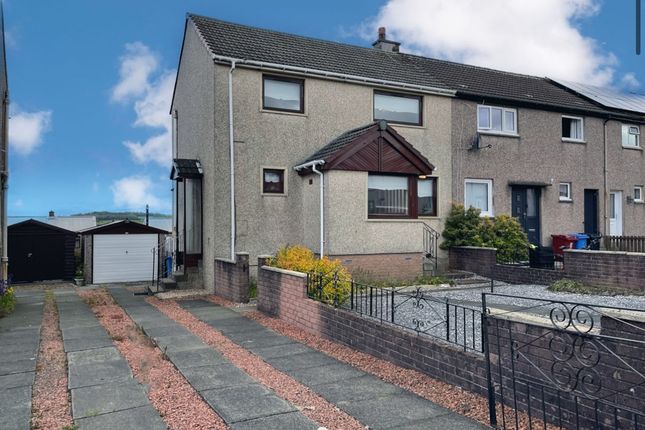
£925 pcm
3 Bedroom Terraced
Godfrey Avenue, Denny
3 bed · 1 bath · terraced
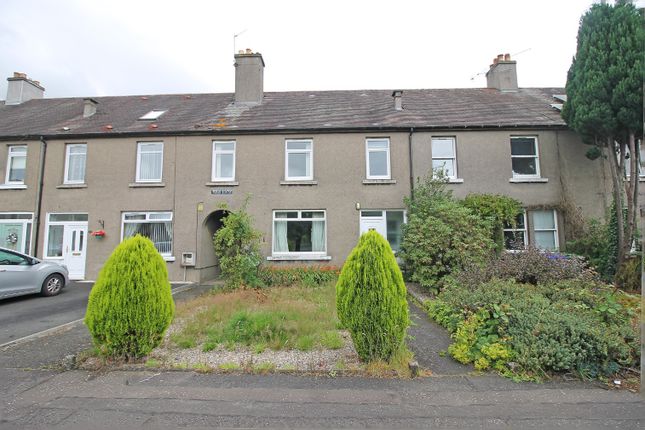
£2,125 pcm
5 Bedroom Terraced
Haugh Road, Stirling
5 bed · 3 bath · terraced

£875 pcm
3 Bedroom Flat
Stenhousemuir
3 bed · 2 bath · flat
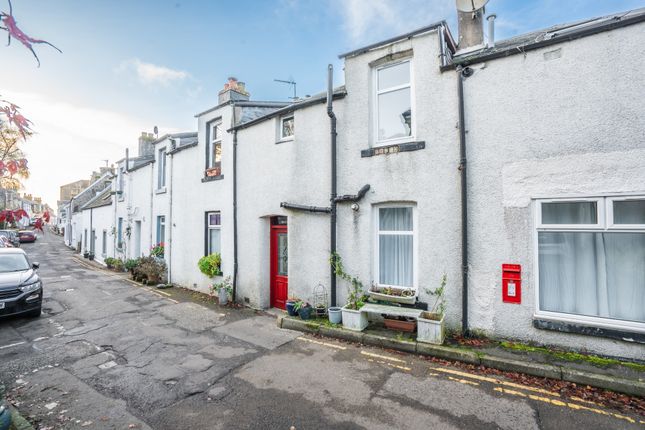
£875 pcm
1 Bedroom Flat
Ramoyle, Stirlingshire
1 bed · 1 bath · flat
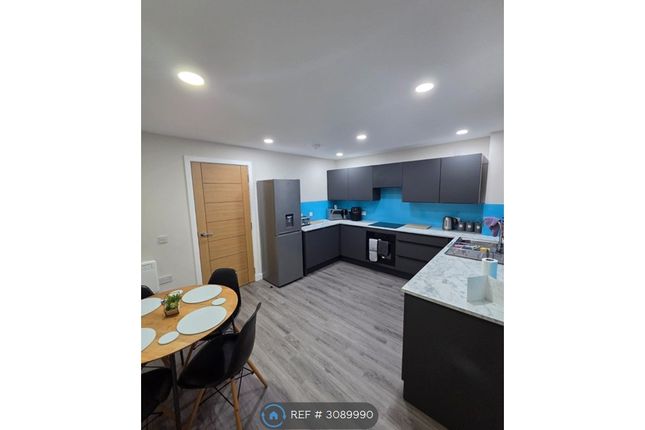
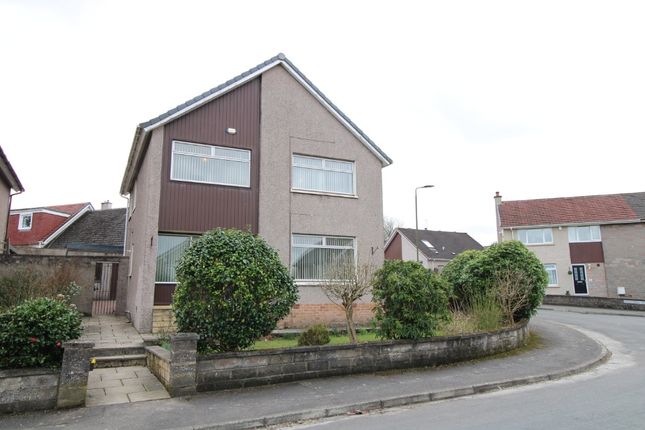
£1,400 pcm
2 Bedroom Semi-Detached
Stirling
2 bed · 1 bath · semi-detached
£1,695 pcm
4 Bedroom Detached
Falkirk
4 bed · 3 bath · detached

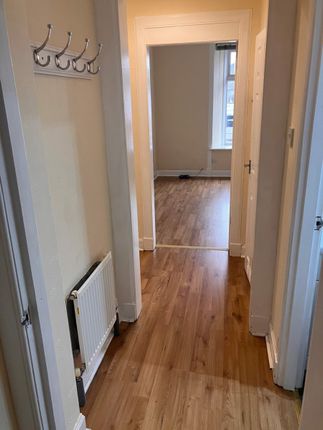
£925 pcm
3 Bedroom Flat
Falkirk
3 bed · 1 bath · flat
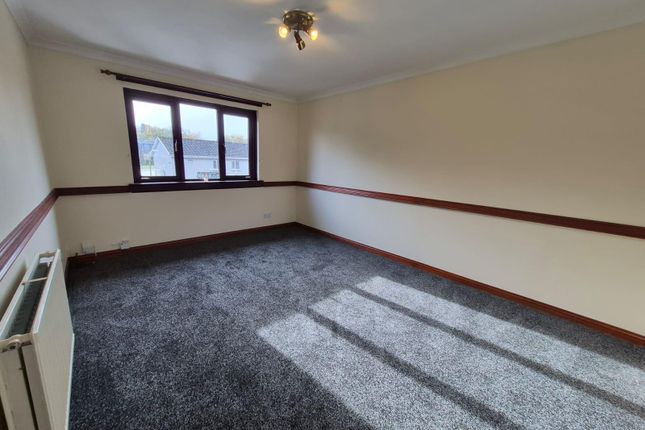
£700 pcm
1 Bedroom Flat
Melrose Place, Falkirk
1 bed · 1 bath · flat
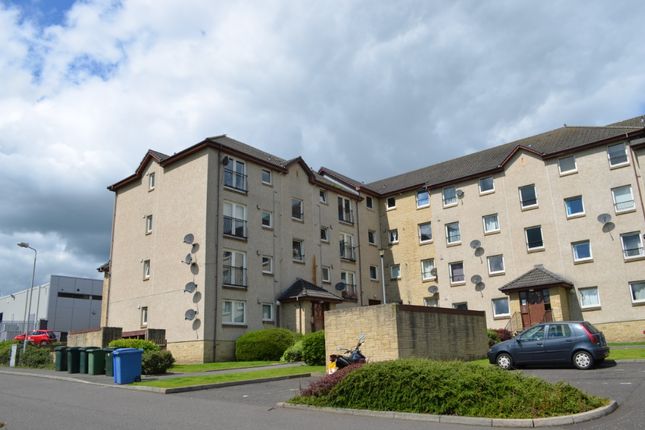
£750 pcm
2 Bedroom Flat
Falkirk
2 bed · 1 bath · flat
£825 pcm
2 Bedroom Flat
Falkirk
2 bed · 1 bath · flat
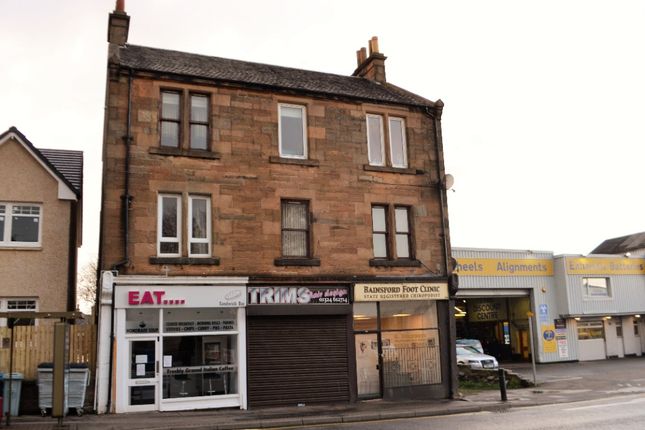
£600 pcm
1 Bedroom Flat in FK2 7PQ
Bainsford
1 bed · 1 bath · flat

£585 pcm
Flat
Dundee
1 bath · flat
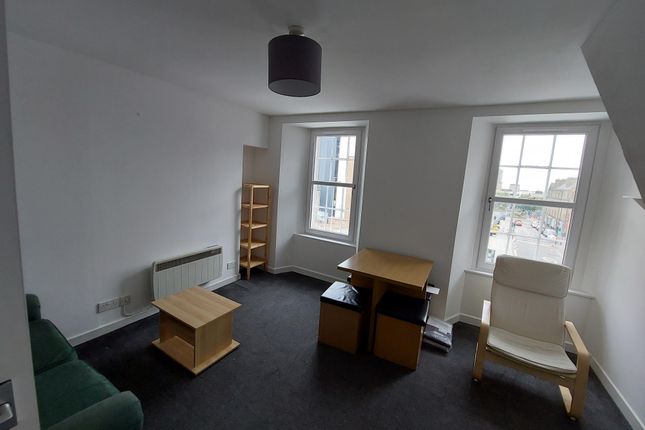
£575 pcm
1 Bedroom Flat
Dundee
1 bed · 1 bath · flat

£1,600 pcm
2 Bedroom Flat
Riverside Drive, Dundee
2 bed · 2 bath · flat

£895 pcm
2 Bedroom Flat
Daniel Street, Dundee
2 bed · 1 bath · flat
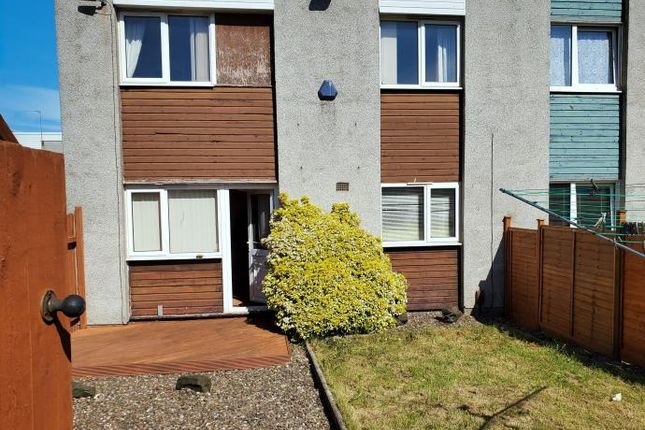
£950 pcm
2 Bedroom Terraced
Dundee
2 bed · terraced

£1,150 pcm
2 Bedroom Flat
Dundee
2 bed · 2 bath · flat
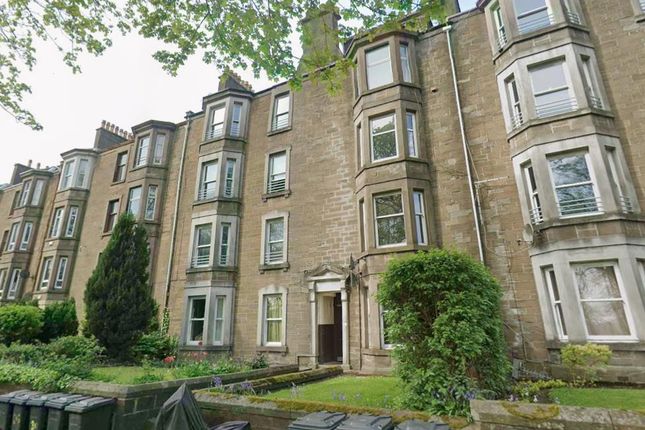
£649 pcm
2 Bedroom Flat
Dundee
2 bed · 1 bath · flat
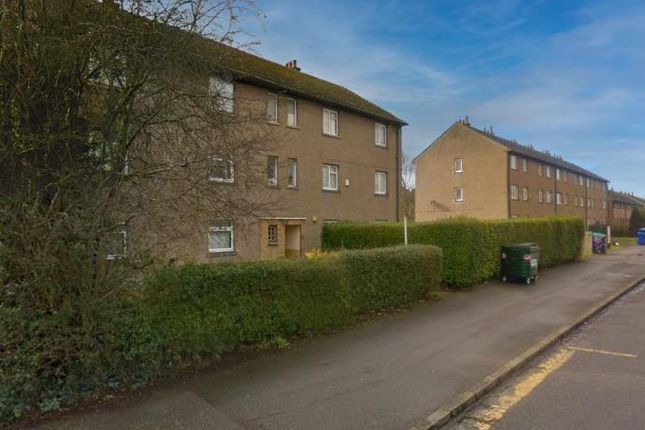
£750 pcm
2 Bedroom Flat
Dundee
2 bed · flat
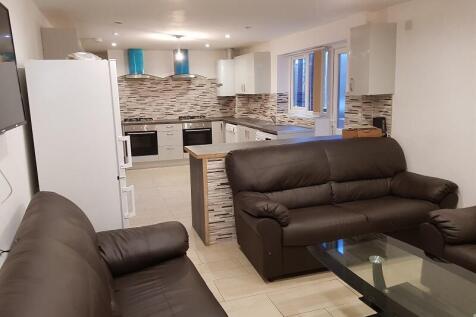
£500 pcm
8 Bedroom Terraced in B29 7BN
Luton Road, Birmingham
8 bed · 4 bath · terraced
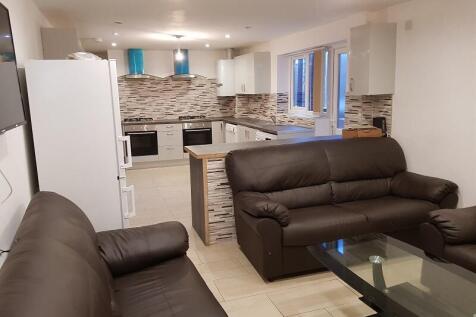
£500 pcm
9 Bedroom Terraced in B29 7AU
Dawlish Road, Birmingham
9 bed · 9 bath · terraced
Pet-Friendly Lets: Premium Rents from an Underserved Tenant Niche
Pet-friendly landlords charge 10-15% higher rents and attract tenants who stay significantly longer than the UK average. The reason is simple: pet owners have almost nowhere else to go. Survey data consistently shows that 50-60% of private rental listings in the UK prohibit pets, yet over 50% of UK households own a pet. That supply-demand mismatch creates genuine pricing power for landlords willing to accept well-managed pets. The Tenant Fees Act 2019 removed the ability to charge pet deposits, creating a dilemma for landlords: they cannot require a specific security deposit for pet damage on top of the standard 5-week deposit cap. This led to many landlords simply banning pets to avoid the risk. But the Renters' Rights Bill (progressing through Parliament in 2025) introduces a right for tenants to request permission to keep a pet, with landlords required to provide written justification for any refusal. Pet-friendly landlords who already accommodate pets are better positioned for this legislative change than those who will be forced to update their approach. The income model is based on a rental premium plus longer tenancy duration. A 2-bedroom flat achieving £1,100 PCM in a standard let might achieve £1,200-£1,250 PCM as a pet-friendly let in the same area. That £100-£150 per month premium compounds over a longer tenancy -- pet owners average 12-18 months longer in a property than non-pet tenants, according to industry data. The combination of higher rent and fewer void periods produces meaningfully better total return over a 5-year investment horizon. The property management approach for pet-friendly lets requires some adaptation. Flooring choice matters significantly: hard floors (laminate, vinyl, tile) are more practical than carpet for pet owners and easier to clean. A small, enclosed garden or external space dramatically widens your appeal to dog owners -- urban dog owners are specifically seeking outdoor access. Kitchens and utility rooms with easy-clean surfaces simplify post-tenancy maintenance. Risk management for pet damage operates through the standard tenancy deposit (capped at 5 weeks for ASTs under the Tenant Fees Act) and thorough referencing of the pet itself -- vetting for the animal's history, training, and temperament is as important as referencing the tenant. A detailed schedule of condition at tenancy start, with photos, is essential for any dilapidations claim at end of tenancy. Pet addendum clauses in the AST can specify obligations: professional cleaning on exit, immediate notification of any damage, number and type of pets permitted. The tenant profile for pet-friendly lets skews toward: families with children, couples in long-term relationships, young professionals, and older downsizers. These demographics tend to be stable, reliable tenants who value a settled home environment -- which is precisely why they are harder to displace and tend toward longer tenancies.
Key Benefits for Investors
Frequently Asked Questions
No. The Tenant Fees Act 2019 caps the security deposit at 5 weeks' rent for ASTs with annual rent under £50,000. You cannot require a separate pet deposit on top of this. You can negotiate a slightly higher monthly rent to reflect pet acceptance, and you can include specific obligations in the AST (professional cleaning on exit, immediate damage notification, pet care obligations). Any damage caused by a pet can be claimed against the standard tenancy deposit through the normal deposit adjudication process.
