Guaranteed Rent Properties
Find properties suitable for guaranteed rent schemes across the UK. Lease to housing associations or management companies for fixed monthly income regardless of vacancy.

£750 pcm
1 Bedroom Flat in OL1 1JA
Parliament square, Oldham Centre, Oldham, OL1
1 bed · 1 bath · flat

£895 pcm
2 Bedroom Flat in OL1 4QN
Longfellow Crescent, Moorside
2 bed · 1 bath · flat
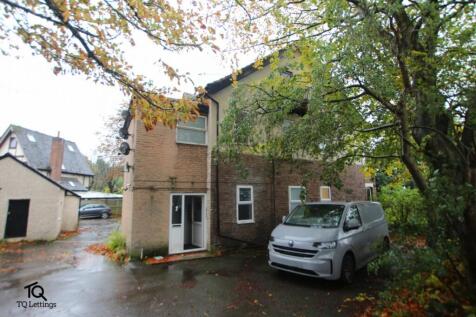
£750 pcm
1 Bedroom Flat in SK6 8EX
Carr Brow, Stockport
1 bed · 1 bath · flat
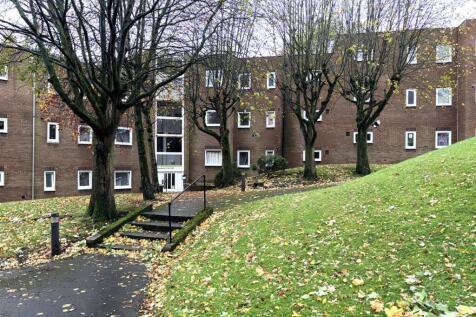
£950 pcm
2 Bedroom Flat in SK6 4QS
Sunfield, Romiley, Stockport
2 bed · 1 bath · flat
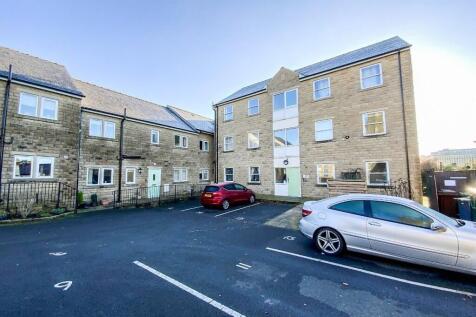
£995 pcm
2 Bedroom Flat in SK13 8BD
Station Street, Glossop
2 bed · 1 bath · flat
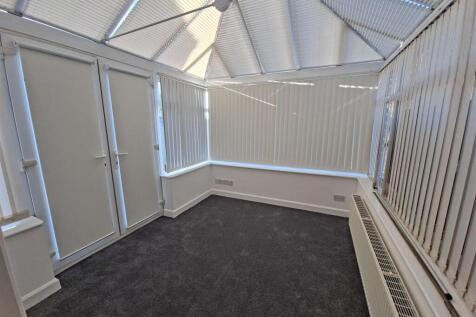
£725 pcm
1 Bedroom House in SK17 9ER
Sherwood Road, Buxton
1 bed · 1 bath · house
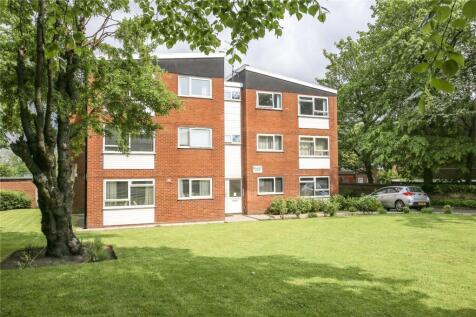
£950 pcm
1 Bedroom Flat in SK4 2QN
Wellington Road North, Stockport, Greater Manchester, SK4
1 bed · 1 bath · flat
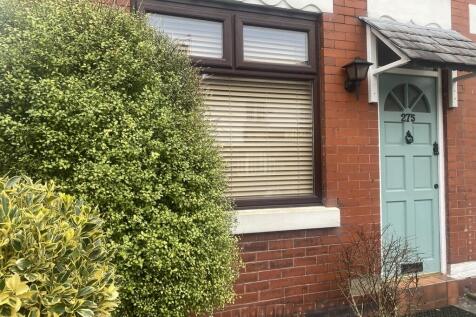
£1,350 pcm
2 Bedroom Terraced in SK4 2LZ
Green Lane, Heaton Moor
2 bed · 1 bath · terraced
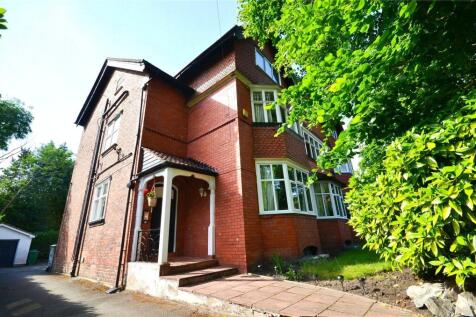
£1,400 pcm
2 Bedroom Flat in SK4 4JU
Lea Road, Heaton Moor, Stockport, SK4
2 bed · 1 bath · flat
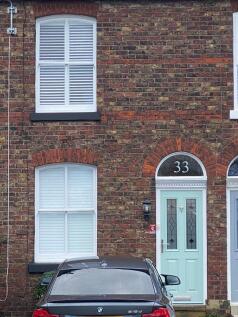
£1,400 pcm
3 Bedroom Terraced in SK9 5EH
Hawthorn Street, Wilmslow, Macclesfield, SK9 5EH
3 bed · 1 bath · terraced
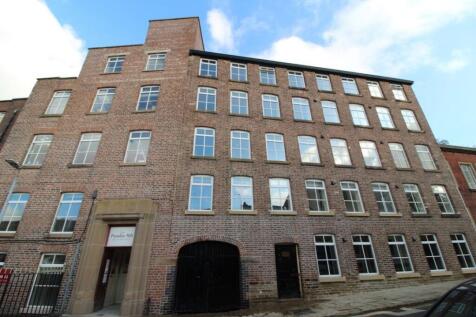
£995 pcm
2 Bedroom Flat in SK11 6TL
Paradise Mill, Park Lane, Macclesfield
2 bed · 2 bath · flat
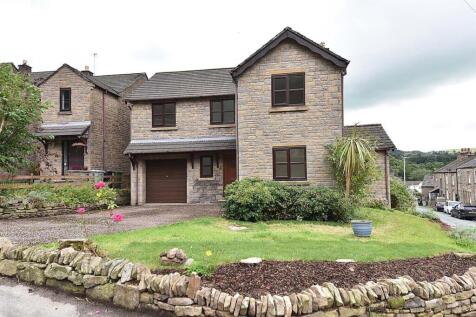
£1,800 pcm
4 Bedroom House in SK10 5QZ
Cocksheadhey Road, Bollington, Macclesfield, Cheshire, SK10 5QZ
4 bed · 2 bath · house
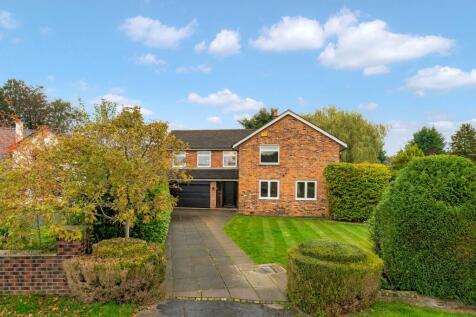
£3,250 pcm
5 Bedroom Detached in SK10 4NF
Redbrook Way, Adlington, SK10
5 bed · 2 bath · detached
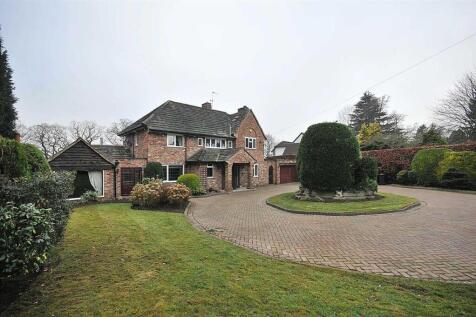
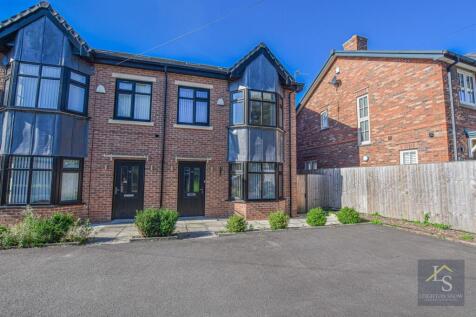
£3,950 pcm
3 Bedroom Detached in SK10 4ES
Heybridge Lane, Prestbury, Macclesfield, Cheshire, SK10 4ES,
3 bed · 3 bath · detached
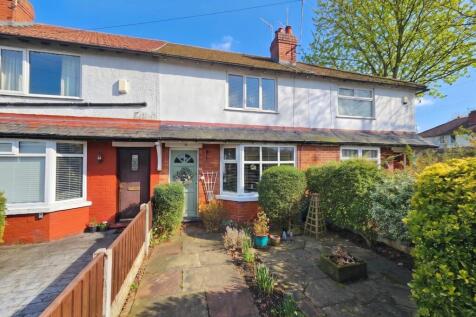
£2,600 pcm
4 Bedroom Detached in SK12 1JA
Clifford Road, Poynton, SK12
4 bed · 3 bath · detached
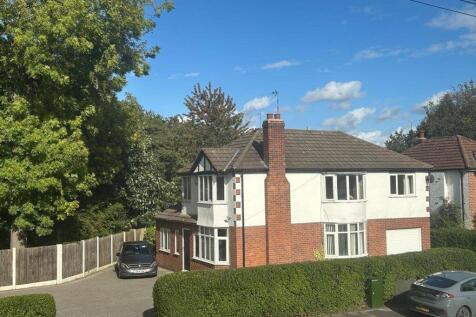
£1,350 pcm
2 Bedroom Terraced in WA15 6ER
Ashleigh Road, Altrincham
2 bed · 1 bath · terraced
£2,200 pcm
5 Bedroom Detached in WA15 6AP
Raven Rd, Timperley. WA15 6AP
5 bed · 1 bath · detached

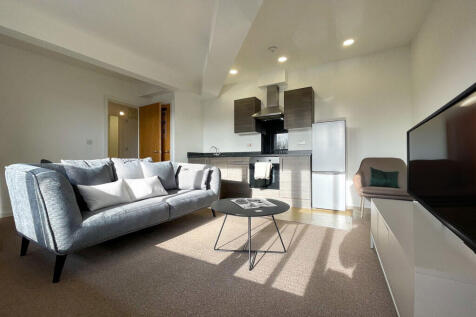
£1,145 pcm
1 Bedroom Flat in SK3 0GQ
Calico House, Woodhead Lane, Edgeley, Stockport
1 bed · 1 bath · flat
£1,185 pcm
1 Bedroom Flat in SK1 3DQ
Edward House
1 bed · 1 bath · flat
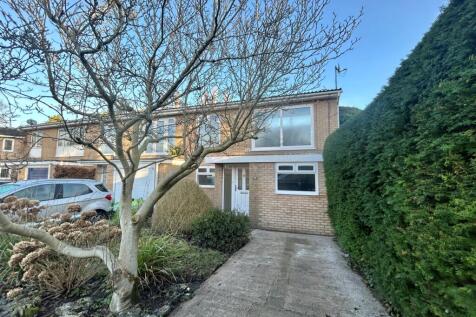
£2,200 pcm
5 Bedroom House in SK8 1JL
The Downs, Cheadle, Cheshire, SK8
5 bed · 2 bath · house
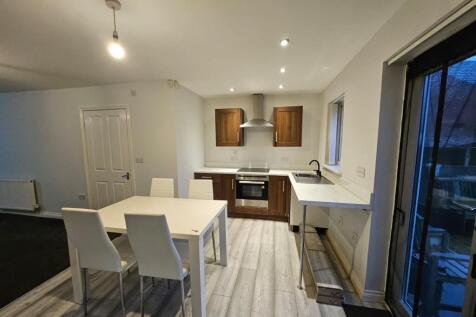
£950 pcm
2 Bedroom Flat in SK5 6LR
Gorton Road, Stockport, SK5
2 bed · 2 bath · flat
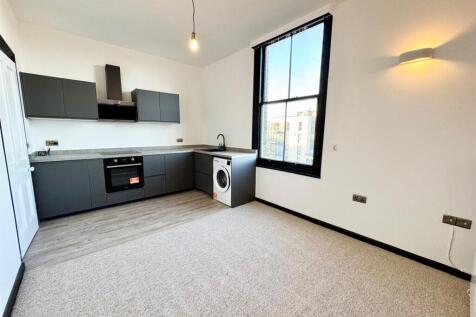
£800 pcm
Flat in BN11 3NR
Heene Terrace, Worthing
1 bath · flat
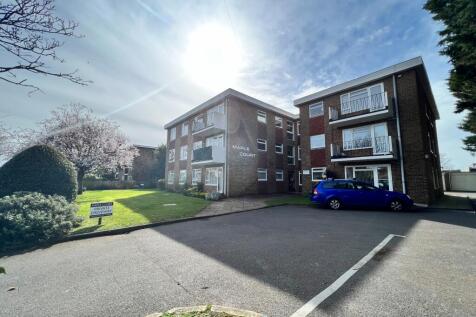
£1,000 pcm
1 Bedroom Flat in BN11 5PZ
Wallace Avenue, Worthing, BN11
1 bed · 1 bath · flat
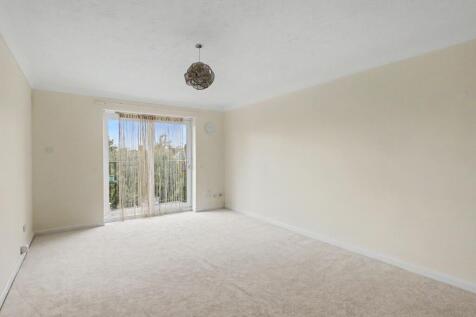
£1,000 pcm
1 Bedroom Flat in BN11 4AN
Shakespeare Road, Shakespeare House, BN11
1 bed · 1 bath · flat
Guaranteed Rent: Zero Voids and Fixed Monthly Income
Guaranteed rent schemes offer exactly what the name implies: a fixed monthly payment regardless of whether the property is occupied. The council, local housing authority, or housing association takes a lease on your property, places tenants, manages all tenant relationships, and pays you an agreed monthly sum -- voids, arrears, and tenant disputes are entirely their problem. For landlords who value predictability over maximum yield, guaranteed rent delivers a genuinely hands-off income stream with institutional-grade payment security. The income model involves a discount to market rent in exchange for the certainty guarantee. A property achieving £1,200 PCM on the open market might achieve £1,000-£1,050 PCM under a council guaranteed rent scheme. That 10-15% discount represents the cost of certainty -- no marketing fees, no void periods, no management costs, no bad debt. For landlords in high-void risk markets, or those who have experienced significant arrears under standard AST management, the net income from guaranteed rent often matches or exceeds what standard lettings achieve after all costs. Local councils operate guaranteed rent schemes as part of their private rented sector strategy to house homeless households and those on housing waiting lists. Properties accepted into council schemes must meet the housing health and safety rating system (HHSRS) standards, pass a council inspection, meet energy performance requirements (currently EPC E minimum, with E or above required for new tenancies from 2025), and comply with all landlord licensing requirements in the local area. The council inspects the property and issues a rent figure -- this is non-negotiable. Housing associations and social housing providers also operate guaranteed rent arrangements. These vary by organisation but typically offer longer lease terms (3-5 years versus 12 months for council schemes) and sometimes include a light refurbishment contribution in exchange for a lower rent level. Housing association guaranteed rent schemes are particularly common in areas with high supported housing demand. The property handback condition at lease end is the main risk area. Councils typically accept wear and tear beyond what a private landlord would tolerate, and some properties come back in condition requiring redecoration or minor repairs. Ensure the lease specifies an inspection process on handback, a reinstatement schedule, and your rights if the property is returned in below-agreed condition. A dilapidations clause with clear standards protects your position on exit. Eligibility requirements vary significantly by council. Most schemes require the property to be within the borough or district, EPC-rated D or above, have a valid EICR and gas safe certificate, and meet HHSRS standards on inspection. Some councils restrict eligible property types -- favouring houses over flats, or setting maximum and minimum bedroom thresholds based on current housing need.
Key Benefits for Investors
Frequently Asked Questions
Council guaranteed rent schemes typically pay 80-90% of market rent (LHA rate or local market rate assessment). Some councils pay closer to market rate for high-demand property types or in areas with low supply. Housing association schemes may pay 75-85% of market rent but offer longer terms and sometimes include a refurbishment contribution. The effective discount to market rent narrows once you strip out typical management fees, void costs, and arrears from standard letting.
